Introduction
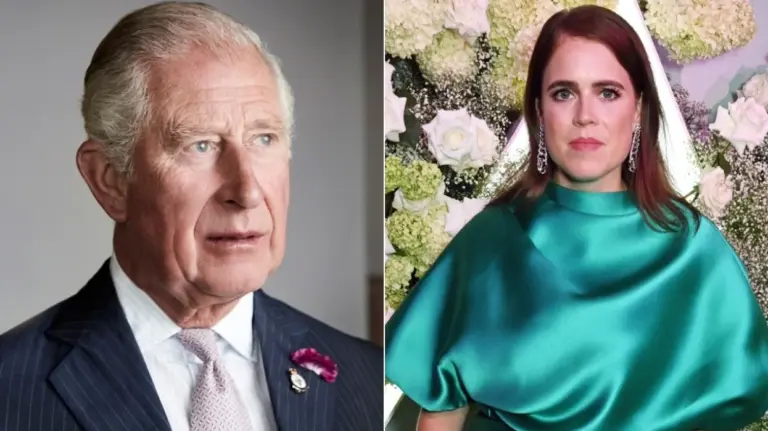
Prince Charles, the Prince of Wales, has been a prominent figure in the British monarchy for decades. As the eldest son of Queen Elizabeth II, his role has been pivotal in the evolution of the royal family, particularly during a time of significant societal change. Understanding Prince Charles’s significance goes beyond his royal title; it taps into the broader themes of monarchy, tradition, and the future of the British royal family.
Current Role and Responsibilities
In the wake of his mother’s passing in September 2022, Prince Charles ascended to the throne as King Charles III. His early reign has been marked by a focus on social issues such as climate change, which he has championed for over 50 years. His initiatives like The Prince’s Trust, founded in 1976, have supported countless young individuals in the UK and beyond, showcasing his commitment to societal betterment.
Recently, King Charles III has also made headlines for his stance on environmental issues and sustainable farming practices, emphasising how the monarchy can play a role in tackling contemporary issues. This aligns with his long-held belief that the institution must adapt to stay relevant.
Public Perception and Challenges
Prince Charles has experienced a rollercoaster of public perception throughout his life, ranging from beloved royal to controversial figure, especially during his marriage to Princess Diana. While some people admire his genuine passion for various causes, others have questioned his suitability for the throne, particularly regarding his often unconventional views.
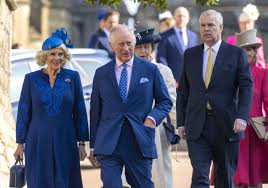
As he navigates these public perceptions, Charles is also faced with the challenge of maintaining the monarchy’s relevance in a modern society where many question the necessity of its existence. His relationship with his son, Prince William, and daughter-in-law, Catherine, the Duchess of Cambridge, will play a crucial role in shaping the future public image of the monarchy.
Impact on the Monarchy’s Future
The future of the British monarchy under King Charles III could herald a new chapter. In a recent televised address, he spoke of his commitment to remain a source of stability and reassurance during turbulent times, hinting at potential reforms aimed at modernising the royal family’s image. Observers believe that his approach could foster a stronger connection with younger generations, who are more inclined to support progressive changes.
Conclusion
Prince Charles’s journey from the heir apparent to King Charles III marks a significant transition for the British monarchy. His commitment to social issues and environmental activism may well define his reign. As he takes on this monumental role, the monarchy faces both challenges and opportunities for renewal. For readers, the evolution of Charles’s kingship offers insights into the future of royal governance in an increasingly modern world, raising essential questions about tradition versus progress.