Introduction
The Hillsborough disaster, which took place on April 15, 1989, during an FA Cup semi-final between Nottingham Forest and Liverpool, stands as one of the darkest days in British football history. The disaster resulted in the tragic loss of 96 lives and over 700 injuries, highlighting pressing concerns regarding stadium safety and crowd management. Its reverberations reached beyond sport, leading to significant changes in football legislation and public awareness of the importance of fan safety.
The Incident
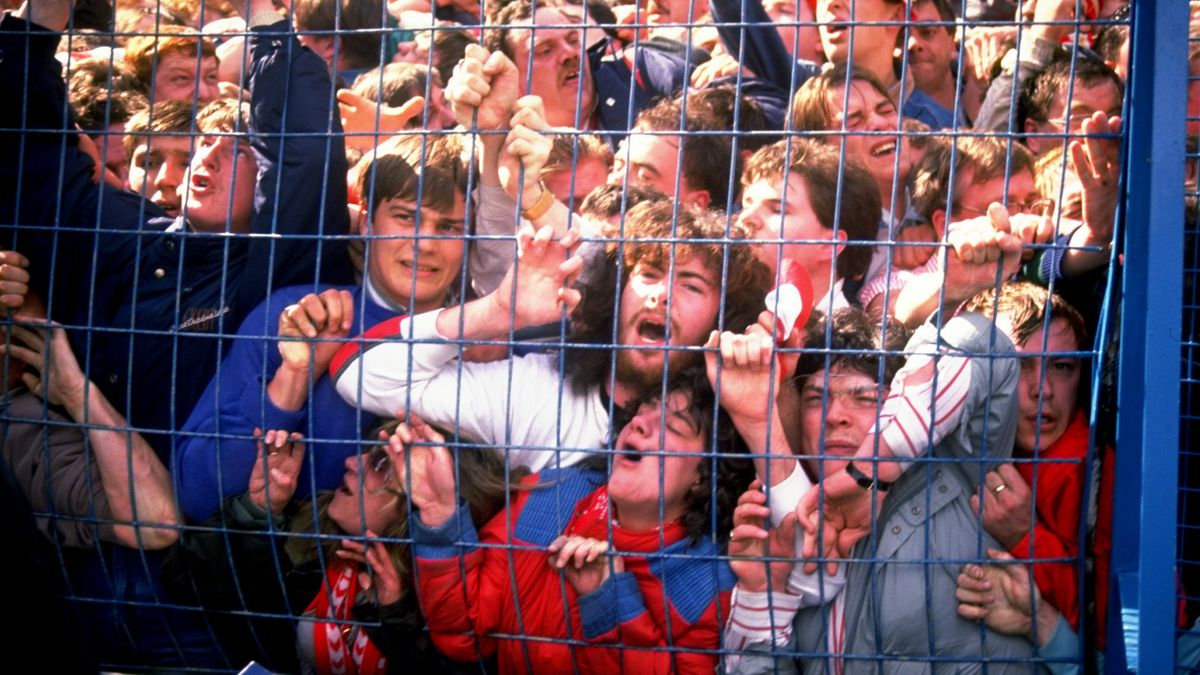
On that fateful day, thousands of Liverpool supporters crowded into the Hillsborough Stadium in Sheffield. Due to inadequate crowd control and improperly managed entry points, the fans were pushed into pens that quickly became overcrowded. As the situation escalated, supporters were crushed against the barriers. Emergency services struggled to respond promptly, which exacerbated the tragedy, raising questions about accountability and emergency preparedness.
Aftermath and Investigations
The immediate aftermath of the disaster saw a wave of criticism directed at South Yorkshire Police and the organisation of the event. Initial investigations led to a controversial narrative that attempted to shift blame onto the supporters themselves, asserting that drunken behaviour had played a role in the disaster. However, this narrative was thoroughly challenged over the ensuing years. In 2012, a long-awaited legal inquiry, known as the Hillsborough Independent Panel, concluded that the fans were not to blame and identified serious failings in policing and emergency response that day. The verdict provided a pivotal shift in public perception and historical narrative.
Pursuit of Justice
For years, bereaved families and survivors sought justice, culminating in multiple inquests and legal proceedings aimed to hold those responsible accountable. In 2016, the second inquest confirmed the unlawful killings of the 96 victims, a ruling that was celebrated by families who had campaigned tirelessly for truth. This long quest for justice has highlighted the resilience of the Hillsborough families and their determination to ensure other families do not suffer similar tragedies.
Conclusion
The Hillsborough disaster remains a poignant reminder of the vulnerabilities associated with large-scale sporting events. It led to a radical overhaul of football safety measures across the UK, resulting in all-seater stadiums becoming mandatory in the top leagues, fundamentally changing the landscape of British football. Commemoration of the Hillsborough tragedy serves not only to honour the 96 lives lost but also to unite communities and ensure that the lessons learnt are never forgotten. As discussions on safety in sports continue globally, the legacy of the Hillsborough disaster highlights the absolute necessity for vigilance, accountability, and a prioritisation of fan wellbeing in every sporting event.