Introduction
As technology continues to evolve, so too do the threats facing our critical infrastructure. Recent events have underscored the growing prevalence of cyber attacks targeting European airports, raising significant concerns over the effectiveness of current cybersecurity measures. With travel volumes increasing post-pandemic, ensuring the security of airport operations and passenger information is more crucial than ever.
Recent Incidents
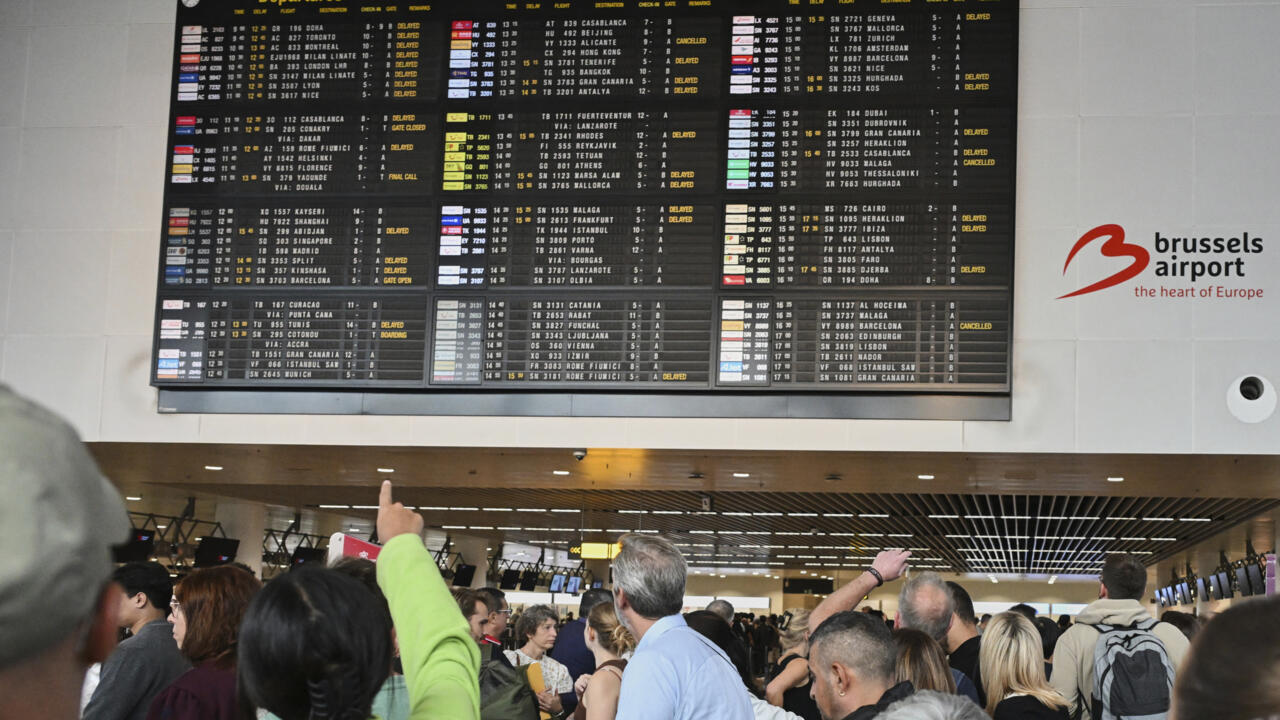
In late September 2023, several airports across Europe experienced widespread disruptions resulting from coordinated cyber attacks. Notably, major hubs such as London Heathrow and Amsterdam Schiphol were affected, with systems impacted ranging from flight information displays to customer service terminals. These attacks led to flight delays and cancellations, causing significant inconvenience for thousands of passengers.
A cybersecurity firm reported that the attacks were executed by a sophisticated hacker group known for targeting infrastructure sectors. The group is believed to have exploited vulnerabilities in outdated systems, forcing many airports to reassess their cybersecurity protocols. The European Union Agency for Cybersecurity (ENISA) has since issued an alert, urging airports to strengthen their defenses.
Response and Mitigation Efforts
In the wake of these incidents, European governments and airport authorities have begun to take more proactive measures. An emergency summit convened by EU officials focused on developing a unified response to bolster cybersecurity across all member states. Investment in advanced threat detection systems, employee training, and regular system updates were prioritized as essential steps.
Moreover, airports have been urged to collaborate with cybersecurity experts and engage in information sharing regarding potential threats. The emphasis is also being placed on establishing a robust incident response strategy to minimise potential damage in the event of future cyber attacks.
Conclusion
The recent spate of cyber attacks on European airports highlights a pressing issue that cannot be overlooked. Increased digital dependence in air travel operations necessitates a reevaluation of existing security measures. As airport authorities invest in enhancing their cybersecurity infrastructure, the onus is also on the passengers to remain vigilant about their personal information.
Finally, as threats evolve, continued collaboration among European nations will be pivotal in developing comprehensive strategies to ensure that the skies remain safe— both from physical and cyber threats. A robust approach towards cybersecurity can protect not only the aviation sector but also inspire confidence among international travellers.