Introduction
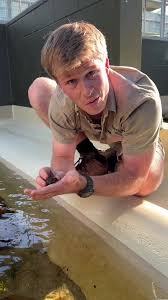
Robert Irwin, the son of the late wildlife expert Steve Irwin, has emerged as a prominent figure in wildlife conservation and education. His efforts to engage younger generations and uphold his father’s legacy are crucial in today’s world, where wildlife preservation faces numerous challenges. With climate change, habitat loss, and poaching on the rise, Robert’s initiatives draw significant attention and support for conservation efforts globally.
Recent Initiatives by Robert Irwin
In recent years, Robert has taken on various roles that underline his commitment to wildlife conservation. As the current Wildlife Ambassador for Australia Zoo, he actively participates in fundraising events and educational campaigns, aiming to raise awareness about endangered species and habitat preservation. Notably, Robert has been involved in projects focusing on the protection of Australia’s unique wildlife, including initiatives for the endangered species like the Greater Bilby and the Northern Hairy-nosed Wombat.
In a noteworthy collaboration, Robert has teamed up with global conservation organisations to develop programs that educate the youth about the importance of biodiversity and the role they can play in safeguarding it. His passion is reflected in his social media presence, where he engages millions of followers by sharing educational content and behind-the-scenes glimpses of conservation efforts.
Public Engagement and Media Presence
In addition to his on-ground efforts, Robert Irwin has made waves in the media. He frequently appears on various television programs, which allows him to reach a broader audience, promoting wildlife conservation while connecting with viewers on a personal level. His recent participation in a documentary focused on Australian wildlife garnered significant viewership, highlighting the pressing need for conservation actions in the face of human encroachment.
Moreover, Robert has embraced the digital landscape, using platforms like YouTube to create engaging content that not only entertains but also educates his audience. His approach reflects a shift in modern wildlife advocacy, where storytelling and personal interaction play key roles in fostering a connection between people and nature.
Conclusion
Robert Irwin is more than just the son of a legendary figure; he is a growing force in wildlife conservation and education. His multifaceted approach—combining on-the-ground conservation with engaging media outreach—illustrates the evolving dynamics of advocacy in the modern age. As he continues to carry forward his family’s legacy, Robert’s influence is expected to inspire a new generation of conservationists who understand the importance of protecting our planet’s biodiversity. With his dedication, the hope for a future where wildlife thrives alongside humans remains alive.