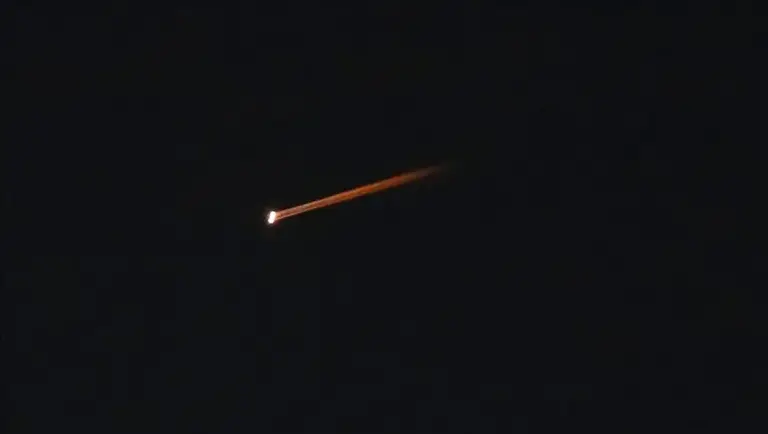
Saudi Arabia has intercepted 2 out of 6 ballistic missiles fired toward Riyadh, highlighting ongoing regional tensions. This incident comes as the Kingdom has been absorbing Iranian drone strikes and missile attacks for nearly a month, raising concerns about its national security.
In response to these threats, Saudi Arabia has begun pumping millions of barrels of crude oil daily through a pipeline designed to bypass the strategically vital Strait of Hormuz, which accounts for 20 percent of global crude and liquefied natural gas supplies. The Bab al-Mandeb Strait also remains a crucial maritime route for the Kingdom.
As the conflict escalates, Saudi Foreign Minister Prince Faisal bin Farhan stated, “We have reserved the right to take military actions if deemed necessary,” indicating a potential shift in the Kingdom’s military posture. This statement reflects Saudi Arabia’s cautious neutrality in the ongoing Iran-Israel-US war, as it seeks to balance its interests in a volatile region.
In a significant diplomatic move, Saudi Arabia and Iran re-established ties in 2023, aiming to stabilize relations that have been strained for years. A senior Saudi official remarked, “The Kingdom of Saudi Arabia has always supported a peaceful resolution to this conflict, even before it began,” underscoring the Kingdom’s commitment to diplomacy.
Despite these efforts, the situation remains precarious. Observers are closely monitoring the developments, especially in light of the recent missile threats. The Kingdom’s ability to navigate these challenges will be crucial for regional stability.
Details remain unconfirmed regarding the full extent of the missile threats and the potential implications for Saudi Arabia’s foreign policy. As the situation evolves, the international community will be watching closely to see how Saudi Arabia balances its military readiness with diplomatic initiatives.