Introduction
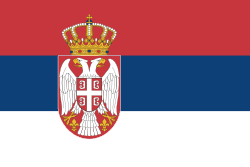
Serbia has been gaining increased attention in the landscape of European politics, particularly amidst ongoing geopolitical tensions and the shifting alliances within the region. With its strategic location in Southeast Europe, Serbia serves as a significant player in balancing relations between the European Union, the United States, and Russia. Understanding Serbia’s role is essential for grasping the dynamics of not only Balkan politics but also broader European affairs.
Recent Developments
In recent months, Serbia has taken steps to enhance its diplomatic ties with the EU while maintaining its historical ties with Russia. In September 2023, Serbian President Aleksandar Vučić visited Brussels to discuss Serbia’s path toward EU membership. This meeting highlighted the EU’s determination to integrate the Western Balkans, representing a crucial juncture for Serbia’s future.
Simultaneously, Serbia has been vocal about its opposition to sanctions imposed by the West on Russia. This stance has drawn both criticism and support, leading to a complex situation where Serbia tries to navigate between its aspiration for EU membership and its relationships with other power dynamics.
Impact of the Kosovo Issue
Another significant element affecting Serbia’s position is the ongoing tension surrounding Kosovo. The 2008 declaration of independence by Kosovo has remained a contentious issue for Serbia, resulting in stalled negotiations and ongoing protests. The EU has actively encouraged a dialogue aimed at normalising relations between Belgrade and Pristina, but progress appears slow, with frequent setbacks.
In late October 2023, following renewed violence in the northern Kosovo region, Serbia expressed concerns over the safety of its citizens, putting pressure on EU leaders to guarantee security guarantees for the Serb population in Kosovo. The outcomes of these discussions could either complicate Serbia’s EU accession talks or strengthen its negotiating position.
Conclusion
As Serbia continues to balance its aspirations for EU integration with its historical ties to Russia, the outcomes in both domestic and international arenas will significantly shape its future. Continued dialogue over Kosovo and Serbia’s relations with major powers will undeniably impact the stability of the entire region. For readers, understanding Serbia’s political landscape is crucial not just for comprehending its immediate future but also for recognizing the shifts occurring within the broader context of European politics.