Introduction
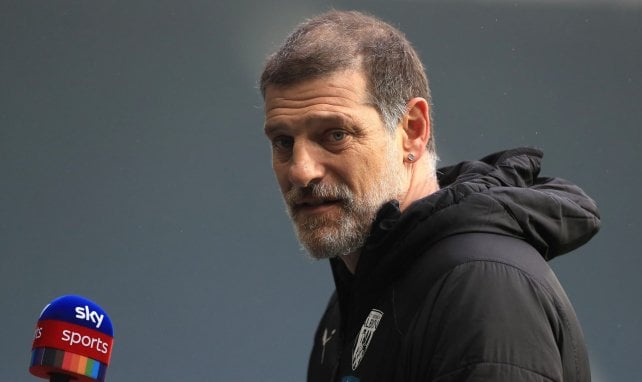
Slaven Bilic is a name synonymous with football in Croatia and beyond. As a former player and a seasoned manager, his contributions to the sport have been significant. His unique leadership style and tactical acumen have shaped the careers of many players and the outcomes of various teams, making him a pivotal figure in contemporary football. This article delves into Bilic’s illustrious career, the teams he has managed, and his impact on the game.
Early Career and Rise to Prominence
Born on September 20, 1968, in Split, Croatia, Bilic began his football career at Hajduk Split. His own playing career spanned over a decade, during which he played for clubs like West Ham United and the Croatian national team, earning 44 caps. In 1998, Bilic was part of the Croatian squad that achieved a bronze medal at the FIFA World Cup.
Transition to Management
After retiring as a player, Bilic’s transition to coaching was almost seamless. He started his managerial journey with the Croatian national team U21, leading them to the semi-finals of the UEFA European U21 Championship in 2007. His successes caught the attention of the senior national team, and in 2006, he was appointed the head coach of Croatia. Bilic led Croatia to the Euro 2008 quarter-finals and the 2014 FIFA World Cup, reinforcing his reputation as an accomplished manager.
Club Management and Notable Tenures
Bilic’s club management career includes prominent roles at several teams across Europe. He managed Lokomotiv Moscow, West Ham United, and most recently, Watford FC. At each club, Bilic showcased his ability to adapt tactics to the strengths of his squad, which resulted in significant improvements in team performance. Notably, he secured West Ham’s highest league finish in over 20 years during the 2015-16 Premier League season.
Recent Developments
As of 2023, Bilic returned to management with his appointment at Watford FC. His task is to steer the club back to the Premier League following their relegation in the previous season. With his wealth of experience and tactical intellect, both fans and analysts remain optimistic about Bilic’s ability to restore the club’s fortunes.
Conclusion
Slaven Bilic’s journey from a talented player to an influential coach reflects his passion and dedication to football. As he gears up for the challenges ahead with Watford, his legacy continues to inspire many in the sport. As we look forward to future matches, Bilic’s tactical approaches and leadership will undoubtedly be critical to the club’s aspirations of returning to the top tier of English football.