Introduction
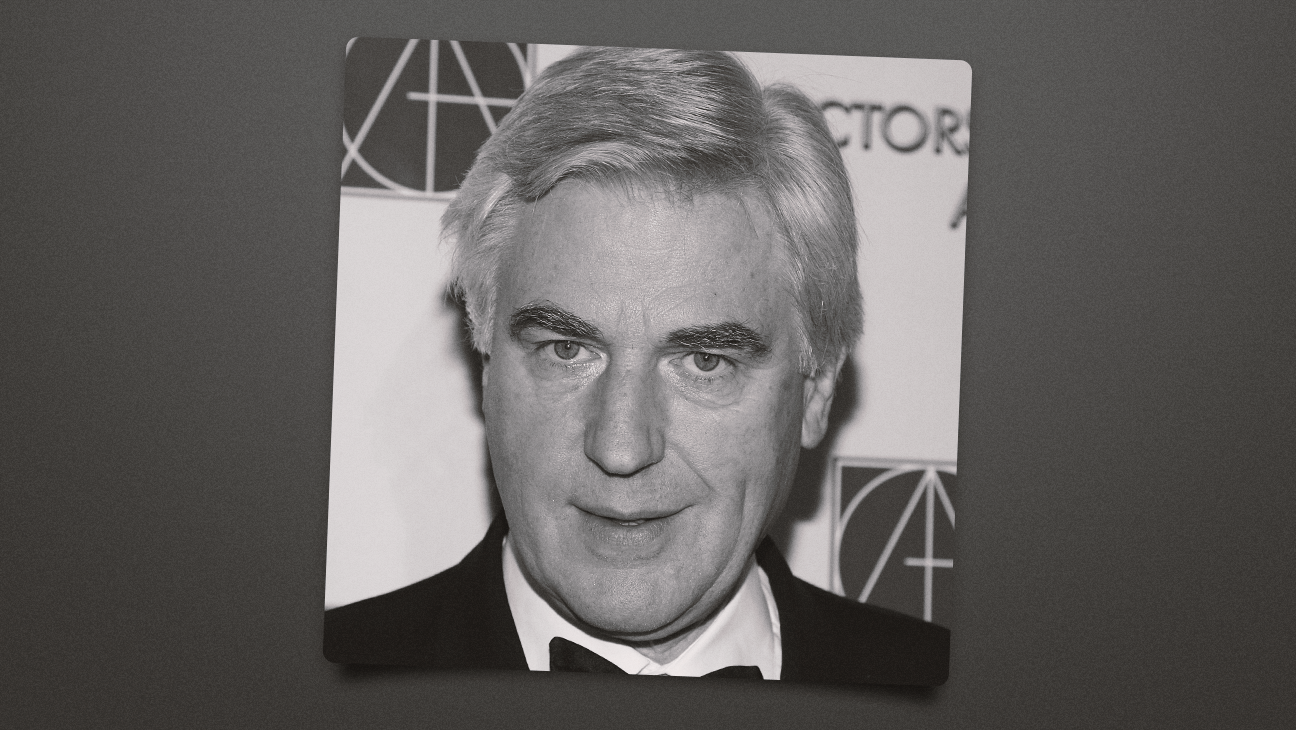
Stuart Craig is a name synonymous with the Harry Potter film franchise, whose artistic vision has profoundly shaped the cinematic universe of J.K. Rowling’s beloved series. As the production designer for all eight films, Craig played a crucial role in creating the aesthetic and immersive environments that have become iconic within popular culture. His remarkable contributions have not only influenced the Harry Potter films but have also set a benchmark for excellence in film production design.
Key Contributions to the Harry Potter Series
Craig’s journey with the Harry Potter films began with the first installment, “Harry Potter and the Philosopher’s Stone,” released in 2001. Tasked with bringing the magical world to life, he meticulously crafted settings that resonated with the lore of the original books while ensuring they translated authentically to the big screen. Notable designs include the intricately detailed Hogwarts Castle, the bustling Diagon Alley, and the enchanting Forbidden Forest.
His work extended beyond creating visually stunning backdrops; it involved deep collaboration with directors, producers, and other designers to ensure a cohesive aesthetic throughout the series. The enchanting interiors of Hogwarts, such as the Great Hall with its floating candles and the explosive involvement of the Weasley household, remain etched in the memory of audiences worldwide. Additionally, he incorporated a sense of historical depth into the design, blending various architectural styles to evoke a timeless quality.
Acknowledgements and Awards
Stuart Craig’s exceptional talent has not gone unnoticed. His work on the Harry Potter series earned him multiple awards, including several Academy Award nominations for Best Art Direction. In 2002, he won the prestigious BAFTA Award for Best Production Design for “Harry Potter and the Chamber of Secrets.” His legacy extends beyond awards, inspiring a generation of filmmakers and designers to push the boundaries of creativity in cinematic storytelling.
Conclusion
Stuart Craig’s influence on the Harry Potter franchise illustrates the pivotal role of production design in film. By crafting rich, detailed environments that resonate with audiences, Craig has not only enhanced the storytelling experience but also created a world that fans continue to cherish. As new adaptations and spin-offs emerge within the wizarding world, Craig’s foundational work remains a testament to the quality of craftsmanship that characterises the Harry Potter films. His contributions remind us that in film, design is not just about creating a backdrop but is integral to storytelling itself.