Introduction
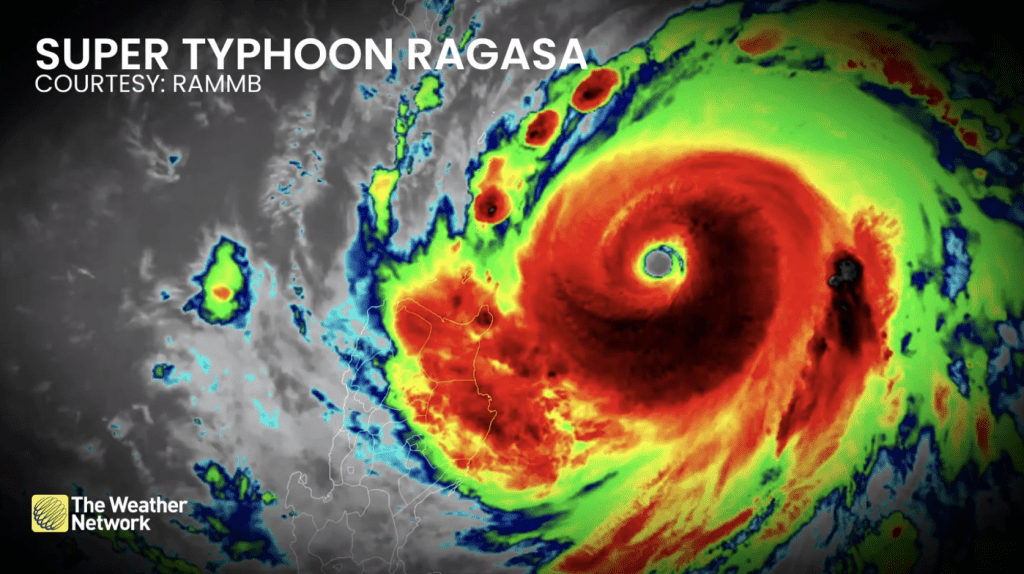
Super Typhoon Ragasa has recently made headlines as it approached and impacted Hong Kong, marking one of the most severe weather events of the year. The importance of this storm cannot be understated, as it brings with it powerful winds, heavy rainfall, and poses a significant threat to life and property. As climate change continues to contribute to the intensity of tropical storms, the implications of Ragasa’s impact resonate far beyond the immediate area, prompting discussions about preparedness and resilience in the face of natural disasters.
Current Situation in Hong Kong
As of October 10, 2023, Super Typhoon Ragasa made landfall in Hong Kong, with wind speeds reaching up to 155 km/h (96 mph). Reports from the Hong Kong Observatory indicated that the storm had resulted in blackout conditions in several districts, particularly in coastal areas, with trees downed and structural damages recorded. Authorities raised the storm signal to number 10, the highest warning level, capturing public attention as residents were urged to stay indoors.
In the midst of this chaotic situation, emergency response teams sprang into action, helping those in distress and ensuring the safe operation of critical services. Schools were closed, and public transport was largely halted, affecting daily life for millions of residents. Local businesses braced for impact, with some establishments shuttering their doors in anticipation of the storm’s wrath.
Response and Preparedness
The government’s efforts to inform and prepare the public before the storm included a comprehensive communication strategy, advising residents to stock essential supplies and stay updated via emergency broadcasts. Utilising social media platforms, the Hong Kong government provided timely updates about the storm’s trajectory and safety instructions. Community centres opened as temporary shelters for those most affected by the storm, ensuring everyone had access to safety and basic necessities.
Conclusion
The significance of Super Typhoon Ragasa for Hong Kong lies in the challenges it presents not only in the immediate aftermath but also in long-term resilience planning. As the city recovers from the impacts, experts suggest this event serves as a crucial reminder of the need for improved urban infrastructure that can withstand such extreme weather. Looking ahead, with climate patterns continuously evolving, the prospect of facing more severe storms raises important questions about future preparedness and community resilience against changing environmental dynamics.