Introduction
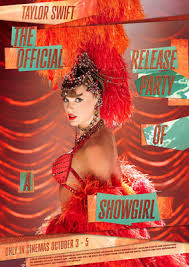
In recent years, Taylor Swift has not only dominated the music industry but has also ventured into a new realm that has captivated fans and critics alike—her role as a cinema showgirl. This transformation has sparked discussions about her influence on both music and film and has solidified her status as a multi-talented artist. With millions of fans around the globe, Swift’s evolution into a cinematic figure reflects broader trends in entertainment and the growing intersection between films and music.
Swift’s Cinematic Influence
This year, Taylor Swift released her highly anticipated concert film, The Eras Tour, which showcases her electrifying performances and provides viewers with an intimate glimpse into her career spanning over a decade. The film is not just a collection of concert footage; it is a carefully crafted narrative that highlights her artistic journey, underscoring her evolution as an entertainer. By embracing a cinema showgirl persona, Swift merges her musical prowess with visual storytelling, creating an immersive experience for her audience.
In recent interviews, Swift stated that she aims to redefine the concert film experience, making it accessible and relatable to a broader audience. Her clever use of cinematic techniques—ranging from vivid choreography to narrative-driven segments—enhances her shows, transforming them into a feast for the senses. This innovative approach has resonated with audiences, resulting in enormous box office success and critical acclaim.
The Cultural Significance
Swift’s foray into cinema also reflects the changing dynamics of fame and artistry in the digital age. In a world where traditional media outlets are losing their grip, artists like Swift are utilising platforms like streaming services to reach their audiences in novel ways. The Eras Tour shows that concert films can be as impactful as traditional theatrical releases, and by doing so, she sets a new benchmark for how music artists can leverage film to enhance their brands and artistic expressions.
Moreover, the portrayal of Swift as a showgirl resonates with themes of empowerment and reinvention. Throughout her career, she has continually reinvented herself while maintaining authenticity, setting an example for upcoming artists. This persona not only celebrates femininity but also challenges traditional notions of celebrity, pushing boundaries in both music and film.
Conclusion
Taylor Swift’s emergence as a cinema showgirl is not only a testament to her versatility as an artist but also an indication of the evolving landscape of entertainment. As she continues to break records and redefine her artistic identity, fans can expect more innovative projects that challenge the norm and celebrate the multifaceted nature of performance art. Swift’s foray into cinema serves as a blueprint for future artists, demonstrating that the blend of music and film can create a powerful cultural phenomenon.