Introduction
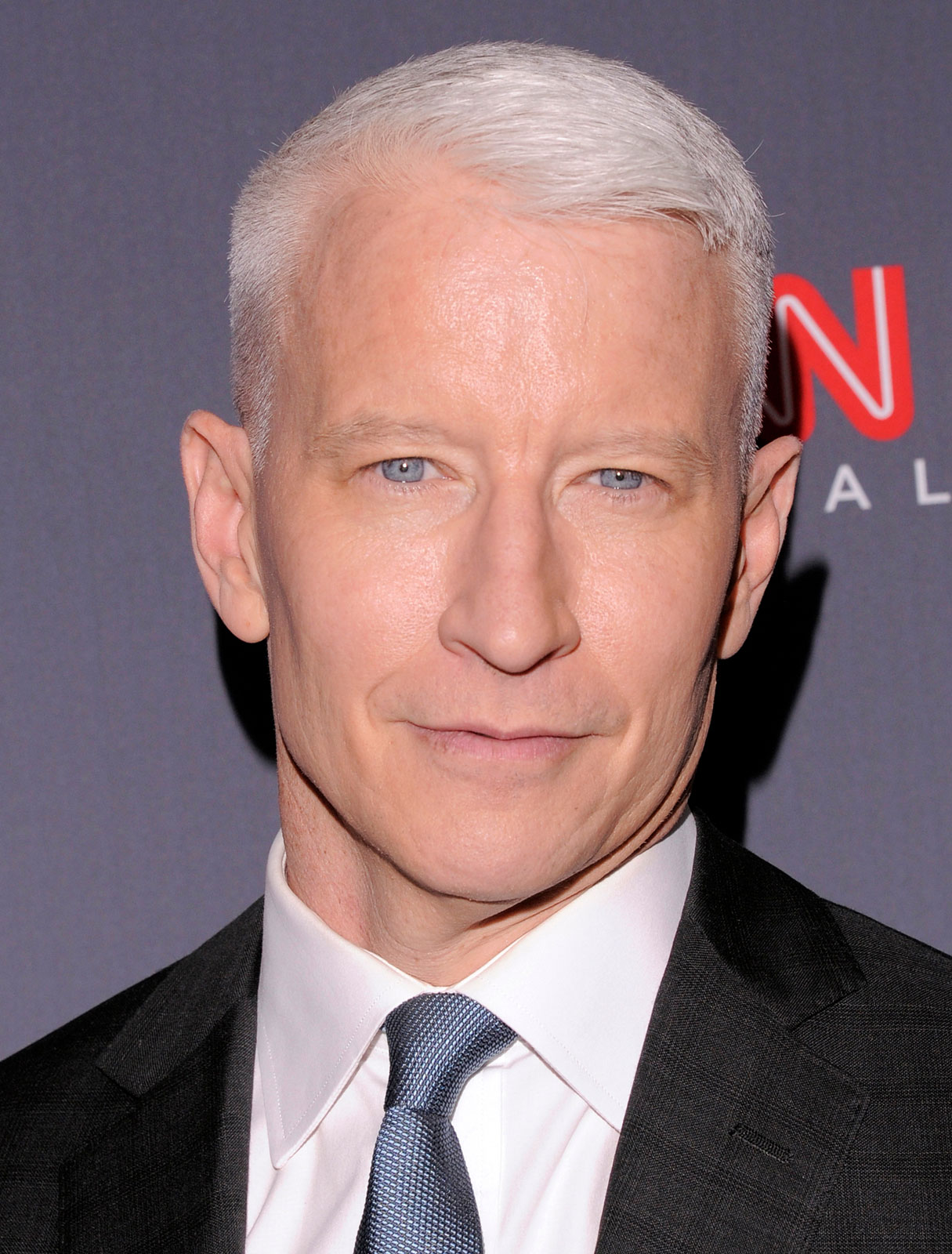
Anderson Cooper, an esteemed journalist and anchor, is a prominent figure in American media, best known for his work on CNN and his commitment to reporting the truth. Born into the iconic Vanderbilt family, Cooper has transcended his heritage to become a trusted voice in journalism. His coverage of critical events has greatly influenced public perception and understanding of the news, making his insights vital in today’s fast-paced media landscape.
Career Highlights
Cooper began his journalism career as a fact-checker for Channel One News while he was still in college at Yale University. His professionalism quickly saw him rise through the ranks, and he became a correspondent for CNN in 2001. Cooper gained national recognition for his coverage during Hurricane Katrina, where he reported live from New Orleans, highlighting the crisis’s human cost and demanding accountability from authorities. His work earned him numerous awards, including an Edward R. Murrow Award and multiple Emmy Awards.
In 2003, he launched ‘Anderson Cooper 360’, a news program that provided a platform for in-depth reporting on major global issues while also featuring human-interest stories. Cooper’s empathetic interviewing style has made him a favorite among viewers, allowing him to connect with audiences on emotional levels. In recent years, he has continued providing substantial coverage of major events such as the COVID-19 pandemic, the Black Lives Matter movement, and the U.S. presidential elections.
Personal Life and Advocacy
Aside from his professional endeavors, Anderson Cooper is also known for his outspoken commitment to LGBTQ+ rights, using his platform to advocate for social justice and equality. In 2012, he came out publicly as gay, citing that he no longer wanted to hide his identity and wanted to promote visibility for LGBTQ+ individuals. His openness was widely praised and has contributed positively to the discourse around acceptance.
Conclusion
Anderson Cooper’s contributions to journalism are profound, affecting not only how news is reported but also how it is perceived by the public. His combination of integrity, empathy, and keen insights into complex issues makes him a pivotal figure in modern media. As he continues his work in the ever-evolving landscape of news reporting, Cooper’s influence is expected to grow, especially as young journalists look to him as a model of excellence in journalism and advocacy. His advocacy for truthful reporting and social justice ensures that Cooper will remain a significant voice in American journalism for years to come.