Introduction
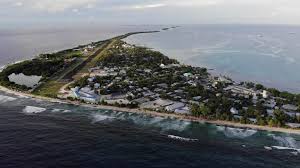
Tuvalu, a small island nation in the Pacific Ocean, is increasingly becoming a symbol of the climate crisis that threatens low-lying coastal regions worldwide. With its highest point only about four metres above sea level, Tuvalu faces the existential threat of rising sea levels driven by climate change. This situation makes it an urgent focus for discussions around environmental policies and climate action globally.
Current Events and Climate Challenges
Recent reports indicate that Tuvalu is experiencing alarming effects of climate change. In 2023, rising sea levels have already submerged some coastal areas, washing away homes and threatening freshwater supplies. As a result, the nation’s population of approximately 11,000 is at risk, with many residents forced to evacuate their homes. The government has been proactive in raising awareness about these issues on international platforms, including the recent COP28 conference where Tuvalu’s leaders emphasized the need for immediate global action on climate finance and emission reductions.
In addition to rising sea levels, Tuvalu faces increased frequency and intensity of extreme weather events, such as storms and droughts. These disasters further strain the country’s limited resources and agricultural capabilities, raising concerns about food security. The situation reflects the broader challenges faced by many Pacific island nations, as both environmental and socio-economic vulnerabilities are exacerbated by climate change.
International Response and Future Prospects
As the crisis deepens, Tuvalu has garnered considerable international attention. Countries like New Zealand and Australia have committed to providing aid and assistance to bolster Tuvalu’s resilience against climate impacts. Initiatives include funding for infrastructure improvements and programmes aimed at sustainable development and enhancing food security.
Despite these efforts, the future remains uncertain. Scientists warn that if global temperatures continue to rise, Tuvalu could become uninhabitable within decades. For Tuvaluans, this represents not just a loss of land, but a loss of culture and identity. The nation is considering options for relocation, but this brings ethical and logistical challenges, particularly regarding the preservation of their way of life.
Conclusion
The situation in Tuvalu serves as a stark reminder of the urgent need for global action to combat climate change. As a frontline state in this ongoing global crisis, Tuvalu exemplifies the challenges many vulnerable nations face as they battle the realities of rising sea levels and extreme weather. For readers, understanding Tuvalu’s plight reinforces the importance of climate advocacy and the need for meaningful action to safeguard not only its islands but other affected regions around the globe.