Introduction
The Channel Tunnel, often referred to as the Eurotunnel, is a remarkable feat of engineering that connects the United Kingdom to mainland Europe via an underwater rail link. Opened in 1994, this 50.45-kilometre (31.4 miles) tunnel serves as a critical conduit for both freight and passenger transport. Its significance has grown markedly in recent years, especially against the backdrop of changing trade dynamics, tourism considerations, and environmental concerns. As cross-border travel and trade considerations evolve, the role of the Channel Tunnel has never been more crucial.
Details of the Channel Tunnel
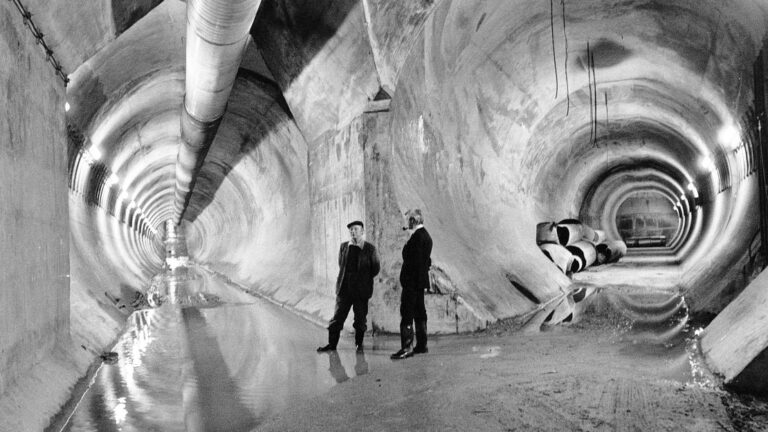
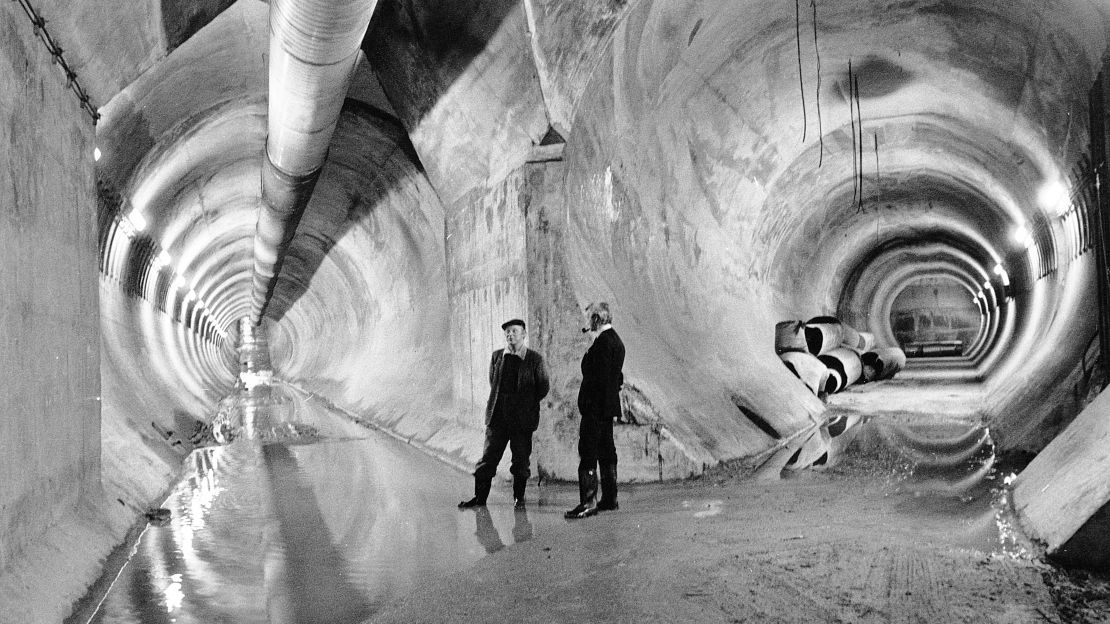
Spanning beneath the English Channel, the Channel Tunnel consists of three parallel tunnels: two for Eurostar passenger services and one for freight transport. It has revolutionised travel between the UK and continental Europe, allowing for swift transit times; the Eurostar train service can travel from London to Paris in just over two hours. In 2020, approximately 10 million passengers used the service, a number that has seen fluctuations due to the COVID-19 pandemic but is expected to rise as restrictions ease.
Recent developments, including enhanced safety measures, have been implemented in light of the pandemic, focusing on sanitation and passenger comfort. Furthermore, the Channel Tunnel has emerged as a vital link for transporting goods, with freight traffic accounting for a considerable percentage of overall tunnel usage. In 2021, around 2.1 million freight vehicles crossed the tunnel, emphasising its importance for trade in a post-Brexit landscape.
Significance and Future Outlook
The Channel Tunnel not only facilitates travel but also fosters economic ties and integration between the UK and Europe. Its function as a trade corridor continues to evolve, particularly in response to changing Brexit dynamics that necessitate new trade agreements and transport solutions. Notably, the introduction of additional customs checks and regulations has impacted freight operations and timing, necessitating adaptability among businesses.
Looking forward, the Channel Tunnel is poised to remain a linchpin in European transport infrastructure. With the growth of environmental awareness, there is increasing pressure to promote rail travel as a sustainable alternative to road transport. The prospect of enhanced services, including more high-speed rail connections and increased freight efficiency, is on the horizon.
Conclusion
In summary, the Channel Tunnel stands as a vital artery for the UK and Europe, supporting both passenger travel and commercial transport. Its ongoing developments signal a commitment to adapting to new challenges and opportunities in a rapidly changing world. As we move into a future marked by greater emphasis on sustainability and efficiency, the Channel Tunnel’s role in shaping cross-channel connectivity is expected to grow even more significant.