Introduction
The Chernobyl disaster, which occurred on April 26, 1986, remains one of the most significant nuclear accidents in history. It is critical to understand not only the immediate effects of this catastrophe but also its long-term implications and relevance in today’s discussions about nuclear safety and environmental health. The aftermath of Chernobyl has shaped international nuclear policy, public perception of atomic energy, and environmental advocacy efforts, making it a topic of continuing importance.
The Chernobyl Accident
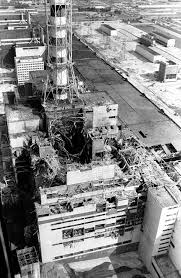
The explosion at Reactor No. 4 of the Chernobyl Nuclear Power Plant in Ukraine resulted from a flawed reactor design and inadequately trained personnel. The incident released large quantities of radioactive particles into the atmosphere, leading to devastating health and environmental consequences. An estimated 600,000 workers, known as ‘liquidators’, were involved in the cleanup efforts, facing significant exposure to radiation. The initial evacuation of nearby Pripyat, a city of about 49,000 residents, was executed only 36 hours after the explosion, highlighting critical failures in crisis management.
Health and Environmental Impact
The long-term health effects have been profound, with studies indicating increased rates of thyroid cancer among those exposed to radiation, particularly among children. The United Nations estimates around 4,000 additional cancer deaths may occur among those most heavily exposed. Additionally, the surrounding environment suffered severe consequences. A 30-kilometre exclusion zone was established around the site, leading to areas like the Chernobyl Exclusion Zone, which have become unintended wildlife sanctuaries.
Modern Relevance
Today, Chernobyl’s legacy looms large as concerns over nuclear safety remain prevalent, particularly with the renewed interest in nuclear energy as a clean energy source to combat climate change. The Chernobyl incident is frequently cited in debates about reactor safety protocols and emergency preparedness for nuclear facilities. In addition, the disaster has inspired numerous documentaries, films, and studies that focus on the human and environmental stories surrounding the event.
Conclusion
The Chernobyl disaster serves as a cautionary tale about the potential perils of nuclear energy and the importance of stringent safety measures and crisis management protocols. As global energy policies evolve to address climate change, the lessons learned from Chernobyl should guide future decisions to ensure public safety and environmental protection. Awareness of Chernobyl’s ongoing ramifications emphasizes the need for vigilance and responsibility in our approach to energy production.