Introduction to Generation Z
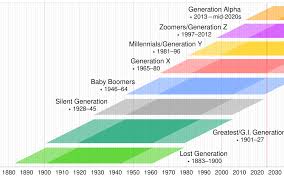
Generation Z, often referred to as Gen Z, encompasses individuals born from 1997 to 2012. This generation is notable for its unique characteristics shaped by technological advancements, cultural shifts, and socio-economic changes. Understanding Gen Z is crucial today, as they represent a significant portion of the global population, influencing trends in education, employment, and consumer behaviour.
The Impact of Technology
One of the most defining aspects of Gen Z is their relationship with technology. Unlike any previous generation, Gen Z has grown up in a world dominated by smartphones, social media, and constant connectivity. According to a report by Pew Research, 95% of teens have access to a smartphone, and nearly 45% say they are online almost constantly. This pervasive technology use has reshaped how they communicate, learn, and interact with the world, leading to both positive outcomes—such as enhanced access to information—and negative consequences, such as mental health challenges related to social media use.
Cultural Shifts and Diversity
Gen Z is also marked by a shift towards greater diversity and inclusivity. They are the most racially and ethnically diverse generation in the United States, with 48% identifying as a part of a racial or ethnic minority. This diversity informs their social values, with a strong emphasis on social justice, climate action, and equality. A survey conducted by the American Psychological Association found that nearly 76% of Gen Z participants believe that the government should be doing more to address climate change, highlighting their commitment to environmental issues.
Educational and Career Aspirations
In terms of education and career, Gen Z is pragmatic and entrepreneurial. They prioritise education and skills development, often opting for vocational training or online courses alongside traditional schooling. The current job market, impacted by the COVID-19 pandemic, has fostered a sense of insecurity, pushing them to adapt rapidly. Moreover, many in Gen Z are keen to start their own businesses, with research showing that 62% of them aspire to become entrepreneurs.
Conclusion: Looking Ahead
As Generation Z matures and begins to influence society in more significant ways, their values and actions will likely set the stage for the future. Understanding the Gen Z years is not just about recognising their challenges but also about appreciating their potential to drive change. Employers, educators, and policymakers need to be aware of the unique perspectives and behaviours of Gen Z to engage effectively with them. With their emphasis on innovation, diversity, and social responsibility, the future shaped by Gen Z promises to be both dynamic and transformative.