Introduction
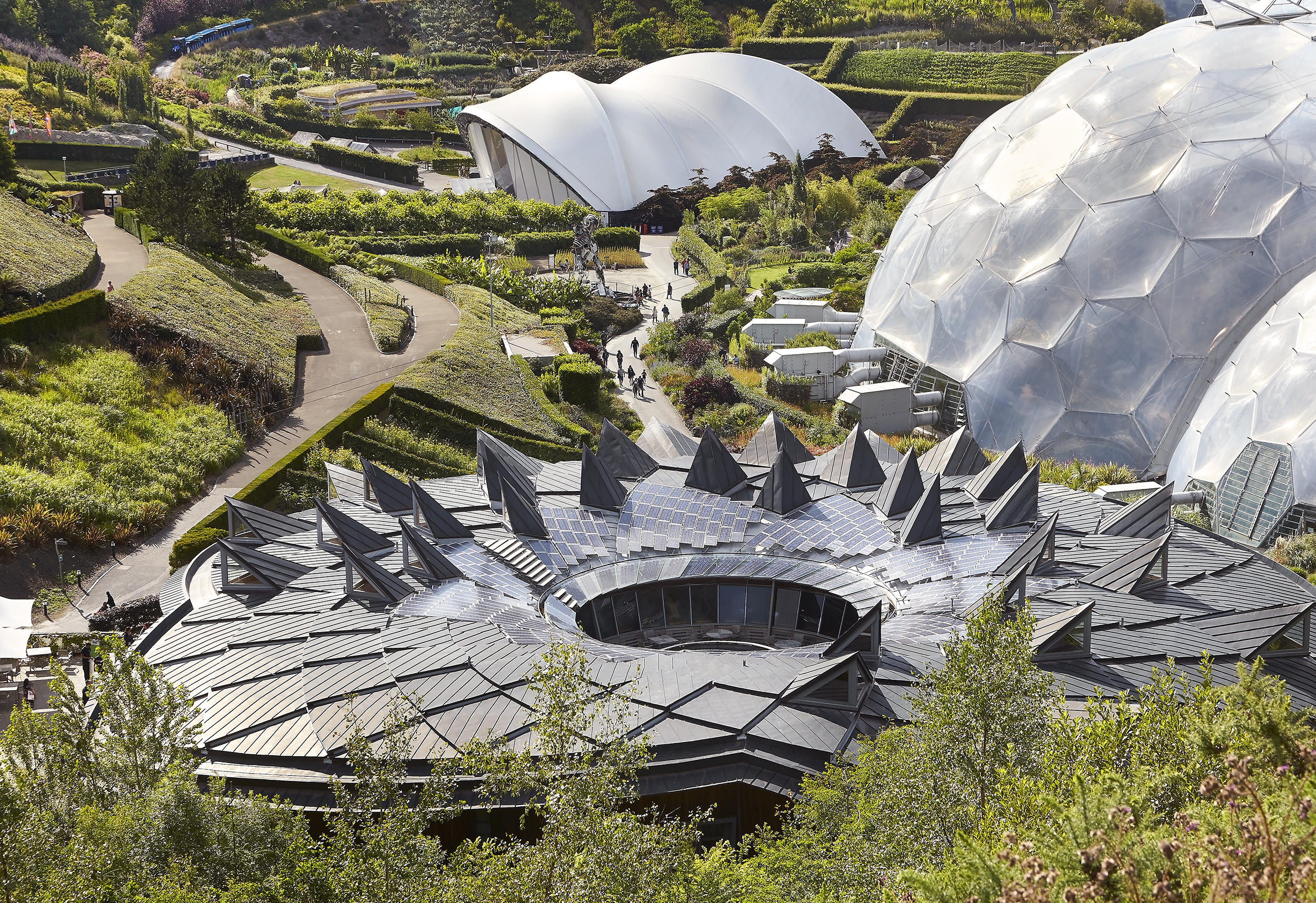
The Eden Project, located in Cornwall, UK, is not just a major tourist attraction but a vital hub for sustainability and environmental education. Opened in 2001, this ecological wonder is renowned for its biomes housing diverse global plant species. In light of ongoing climate challenges and biodiversity loss, the Eden Project’s mission to educate and inspire about sustainable living and conservation has gained even more significance in recent years.
Innovative Structures and Features
At the heart of the Eden Project are its iconic Biomes, which showcase various ecosystems from the Mediterranean to the rainforest. The Rainforest Biome is the largest indoor rainforest in the world, featuring a unique collection of plants from tropical regions. The Mediterranean Biome represents temperate climates, where visitors can learn about species used for food, medicine, and industry. Together, these environments create a living laboratory for researchers and conservationists alike.
Community Engagement and Education
The Eden Project places a strong emphasis on education, offering a range of programmes and workshops designed for schools, families, and individuals. Their dedicated learning team works tirelessly to engage the community, ensuring that people of all ages understand the importance of biodiversity and sustainable practices. Additionally, the Eden Project collaborates with local and international organisations, promoting initiatives that address environmental issues such as climate change and resource management.
Recent Developments and Future Plans
Recently, the Eden Project has announced exciting plans to expand its reach with new projects aimed at promoting green technologies and activities. These developments include the upcoming Eden Project North in Lancashire, which is designed to extend the message of sustainability and innovation beyond Cornwall. This project is set to create new jobs and enhance local ecosystems, reinforcing the Eden Project’s role as a catalyst for economic as well as environmental benefits.
Conclusion
The Eden Project stands as a beacon of hope in our quest for sustainable living, proving that environmental education and action can coexist in an engaging and dynamic setting. As the world grapples with urgent ecological issues, the Project phases a crucial part in the narrative of climate resilience and the promotion of green lifestyles. Its impact on local communities and the broader ecological landscape underscores the importance of institutions that foster a connection to nature and inspire a more sustainable future for generations to come.