Introduction
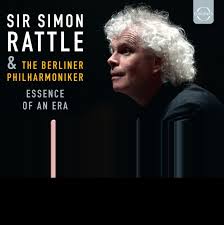
Simon Rattle, one of the most esteemed conductors of our time, has significantly shaped the world of classical music over the last few decades. His innovative style and commitment to musical excellence have not only brought classical compositions to new audiences but have also revitalised orchestras and music festivals across the globe. As he transitions to new projects, Rattle’s contributions continue to resonate, making it essential to take stock of his achievements and the ongoing influence he wields in the realm of music.
Major Milestones in Rattle’s Career
Born in Liverpool in 1955, Simon Rattle began his musical journey with a fervent interest in classical music and a distinctive talent for conducting. He gained prominence as the principal conductor of the City of Birmingham Symphony Orchestra (CBSO), where his innovative programming and dedication to contemporary works gained critical acclaim. Moreover, during his tenure from 1990 to 1998, Rattle led the CBSO to international recognition, enhancing its reputation significantly.
Rattle’s career further flourished with his appointment as the principal conductor of the Berlin Philharmonic in 2002. Under his leadership, the orchestra reached new artistic heights, and Rattle’s vision for inclusivity in music led to numerous outreach projects aimed at engaging a younger audience. This engagement is crucial as it not only enriches the music community but also ensures that classical music remains relevant in today’s cultural landscape.
Recent Developments and Future Prospects
In 2017, Rattle took on the mantle of chief conductor with the London Symphony Orchestra (LSO), marking a homecoming of sorts for the maestro, as he had a long-standing relationship with the city. His commitment to bringing diverse programming to audiences is evident in the LSO’s recent concerts, which include contemporary compositions alongside classic masterpieces. He is also noted for his role in championing the works of female composers and underrepresented voices within the classical music repertoire.
Looking ahead, Simon Rattle’s influence is set to continue as he embarks on new projects, including collaborations with international orchestras and educational initiatives aimed at nurturing the next generation of musicians. His commitment to the art form shines brightly, and as the landscape of classical music evolves, Rattle is poised to remain a pivotal figure in driving artistic innovation.
Conclusion
Simon Rattle’s legacy is firmly entrenched within the fabric of classical music, reflecting a career marked by creativity, passion, and a relentless pursuit of excellence. As readers and music lovers, it is essential to recognise his contributions and anticipate the future developments he will bring to orchestral music. Rattle’s journey not only inspires musicians but also invites audiences to reimagine their relationship with classical music in an ever-changing cultural milieu.