Introduction
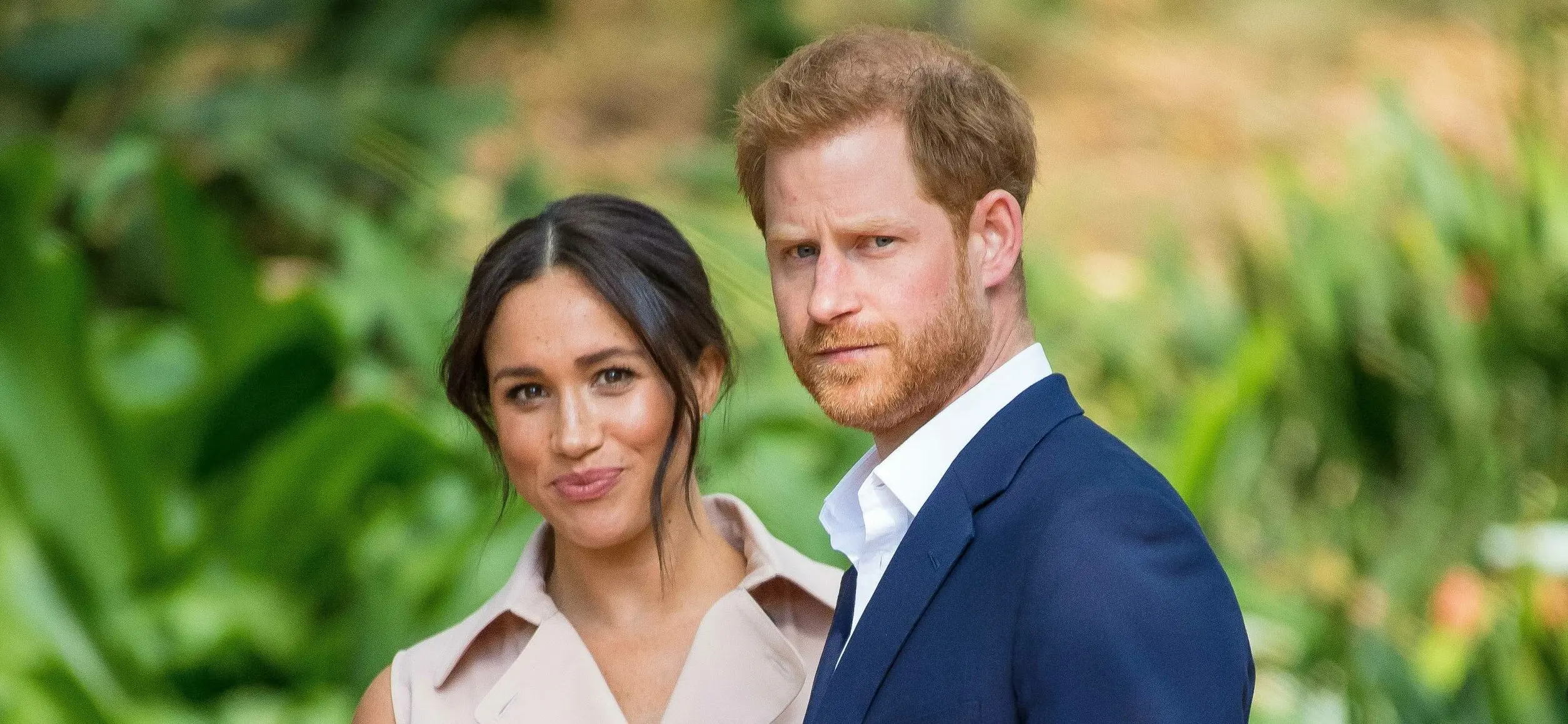
Prince Harry, Duke of Sussex, has been a subject of intense media scrutiny and public interest since his birth. His life has transformed significantly over the years, particularly following his marriage to Meghan Markle in 2018 and their subsequent relocation to the United States. Understanding his journey is important not just from a royal perspective but also for insights into modern monarchy, societal norms, and media influence.
Current Developments
Recently, Prince Harry has been in the spotlight due to several key events. One of the most significant was the release of his memoir, “Spare,” which details his experience growing up in the royal family, his struggles with mental health, and his perspectives on life after stepping back from royal duties. The memoir has brought both praise and criticism, highlighting discussions around mental health support and the role of the monarchy in contemporary society.
Moreover, Prince Harry has participated in numerous philanthropic efforts, including initiatives focused on mental health awareness through the Invictus Games, which he founded. This year, the Games took place in Düsseldorf, Germany, showcasing the resilience of wounded and sick servicemen and women. His involvement in such projects continues to reflect his commitment to supporting veterans and advocating for mental well-being.
Personal Life Changes
In addition to professional pursuits, Prince Harry’s personal life continues to evolve. He and Meghan Markle are actively engaged in parenting their two children, Archie and Lilibet, and have emphasized the importance of maintaining a family environment away from royal expectations. As they navigate life in the United States, their focus seems to be on creating a space for their children that balances their royal legacy and everyday normalcy.
Media Relations and Public Perception
Prince Harry’s relationship with the media has been tumultuous. He has been vocal about the intrusive nature of the tabloids and their impact on his family, leading to various legal battles against certain media organisations. This ongoing struggle raises important questions about privacy rights, public interest, and the responsibilities of media outlets in the digital age.
Conclusion
Prince Harry remains a significant figure not just within royal circles but also in global discussions surrounding mental health, privacy, and family dynamics. As he continues to share his experiences through various platforms, his journey reflects broader societal changes. Moving forward, it will be interesting to see how his initiatives evolve and the impact they will have on public perceptions of the monarchy and mental health advocacy.