Introduction
Peacocks, known for their stunning, iridescent feathers and striking display during courtship, have captivated humanity for centuries. These majestic birds, native to South Asia but now found across the globe, play important roles in ecosystems and hold significant cultural symbolism. Understanding the biology and cultural relevance of peacocks helps appreciate their elegance and the wonders of nature.
Peacock Characteristics and Habitat
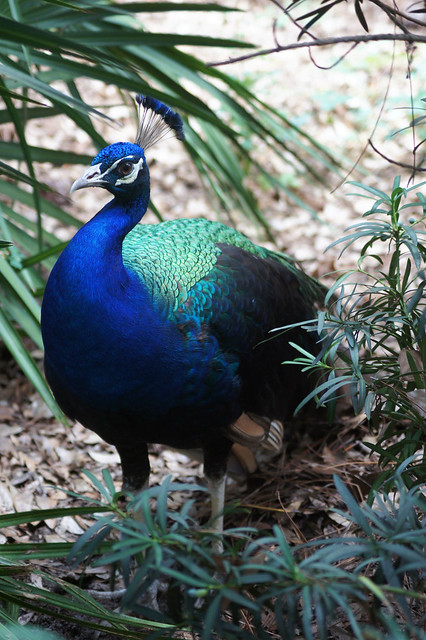
The male peacock, specifically the Indian Peafowl (Pavo cristatus), is renowned for its vibrant blue and green plumage, adorned with intricate eye-like patterns. The peacock’s tail, called a train, can reach up to six feet in length and is used during mating displays to attract females. In contrast, female peafowl (peahens) lack the flamboyant colours and are primarily brown with less conspicuous markings, blending into their surroundings for protection.
Peacocks thrive in various habitats, including forests, grasslands, and shrubland, primarily in India, Sri Lanka, and birthing locations in other countries. They are ground-dwelling birds that prefer to forage for food, such as seeds, insects, and small mammals.
Cultural Significance of Peacocks
Throughout history, peacocks have symbolised beauty and pride in many cultures. In Hinduism, they are associated with the goddess Saraswati, representing wisdom and knowledge. The bird is also a symbol of grace and elegance in Western art and literature. Its vibrant feathers have been used in fashion, interior design, and ceremonial attire. The phrase ‘as proud as a peacock’ underscores the bird’s association with vanity and self-importance, often reflecting the traits observed in humans.
Conservation Status
Despite their beautiful presence, peacocks face threats from habitat loss and hunting. While the Indian Peafowl is currently listed as a species of Least Concern, local populations can be affected by deforestation and urbanisation. Conservation efforts, including habitat preservation and protection, are vital to ensure these birds continue to thrive in the wild. Awareness and education regarding the importance of biodiversity can help mitigate human impact on their populations.
Conclusion
Peacocks embody the beauty of nature and carry a rich cultural legacy, inspiring art, literature, and spirituality. In our ever-evolving world, it remains essential to protect their habitats and understand the role they play in our ecosystems. By recognising their importance, we can ensure that future generations will have the opportunity to witness the mesmerising display of peacocks and appreciate their deep-rooted connections to human culture. Through concerted conservation efforts, the story of the peacock can continue for years to come.