Introduction
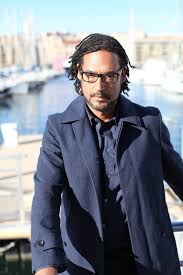
David Olusoga is a prominent historian, broadcaster, and author who has significantly shaped the discourse surrounding UK history. His work, particularly in exploring colonial narratives and the experiences of Black Britons, has gained considerable attention and acclaim in recent years. As discussions about race, identity, and history become increasingly relevant, Olusoga’s contributions are essential for understanding the complexities of the past and their implications for the present.
Recent Contributions and Projects
In 2023, Olusoga has focused on several key projects that highlight previously overlooked aspects of British history. He continued his work as a presenter for BBC documentaries, including “British History’s Biggest Fibs”, where he sheds light on the inaccuracies surrounding British historical narratives. This series has drawn viewers’ attention to the myths constructed around Britain’s imperial past, emphasizing the importance of an inclusive and accurate representation of history.
Additionally, Olusoga has been involved in educational initiatives aimed at schools, providing resources and workshops designed to help young learners engage with history critically. His efforts aim to ensure that future generations have access to a more comprehensive understanding of Britain’s past, particularly regarding the roles played by various ethnic groups in shaping the nation.
Significance for Contemporary Society
Olusoga’s work is not only relevant within academic circles but has profound implications for contemporary society as well. His advocacy for a more diverse historical narrative encourages critical thinking and reflection among the public, highlighting how history influences current societal structures and race relations. As debates around heritage and representation in media amplify, Olusoga’s insights serve as a guiding beacon for how history can be utilized to foster understanding and reconciliation.
Conclusion
Looking ahead, David Olusoga’s contributions are poised to influence the ongoing discourse surrounding British history and its narratives. With increasing initiatives and collaborations in the educational sector, it is expected that the impact of his work will continue to grow, sparking necessary conversations about race, identity, and belonging. Readers are encouraged to engage with his content and reflect on the crucial role that history plays in shaping today’s world. David Olusoga does not merely recount the past; he challenges us to re-evaluate it and its lessons for our future.