Introduction
Sharia law, derived from the Quran and the hadith (teachings of Prophet Muhammad), is the moral and legal framework governing the lives of Muslims around the world. With the increasing focus on Islamic practices in diverse societies, understanding Sharia law has become increasingly relevant. Its application can vary widely, influencing personal conduct, family matters, and even the political landscape in various countries.
Main Body
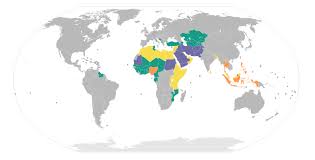
Recent discussions surrounding Sharia law have highlighted varying interpretations and implementations across different regions. In some countries, such as Saudi Arabia and Iran, Sharia is implemented in both civil and criminal law, guiding legal decisions and public policy. Conversely, in nations like Indonesia, which has the world’s largest Muslim population, elements of Sharia coexist with secular laws, allowing for a blend that respects diverse backgrounds.
The debate around Sharia law often becomes intertwined with issues of human rights, secularism, and cultural identity. Critics argue that certain interpretations of Sharia can lead to restrictive practices, especially concerning women’s rights and freedom of expression. Conversely, supporters emphasize that Sharia is inherently flexible and can promote justice, social welfare, and ethical living when properly interpreted.
Current Events
In recent years, a number of legal cases in Western countries have brought Sharia law into the spotlight. For example, in the UK, there have been discussions about the use of Islamic tribunals to resolve marital disputes or issues surrounding inheritance. This has provoked discussions about separation of church and state, as well as the reception of minority legal practices in predominantly secular societies.
Moreover, contemporary global movements have seen advocacy for women’s rights within the context of Sharia. Activists are working to promote interpretations that align with the principles of equality and justice, suggesting that Sharia law can provide a foundation for progressive change rather than oppression. Such initiatives are crucial in shifting perceptions and ensuring that Sharia is not reductively viewed in a solely negative light.
Conclusion
Sharia law remains a significant aspect of life for millions of Muslims and continues to evoke both support and criticism worldwide. Understanding its complexities and varied interpretations is essential, particularly in an increasingly interconnected global landscape. As societies evolve, the discourse around Sharia law brings to the forefront themes of coexistence, human rights, and cultural respect. The future may see a greater appeal for a contextual understanding of Sharia that aligns with universal principles of justice and equality, fostering peace rather than division.