Introduction: The Role of TV Licence
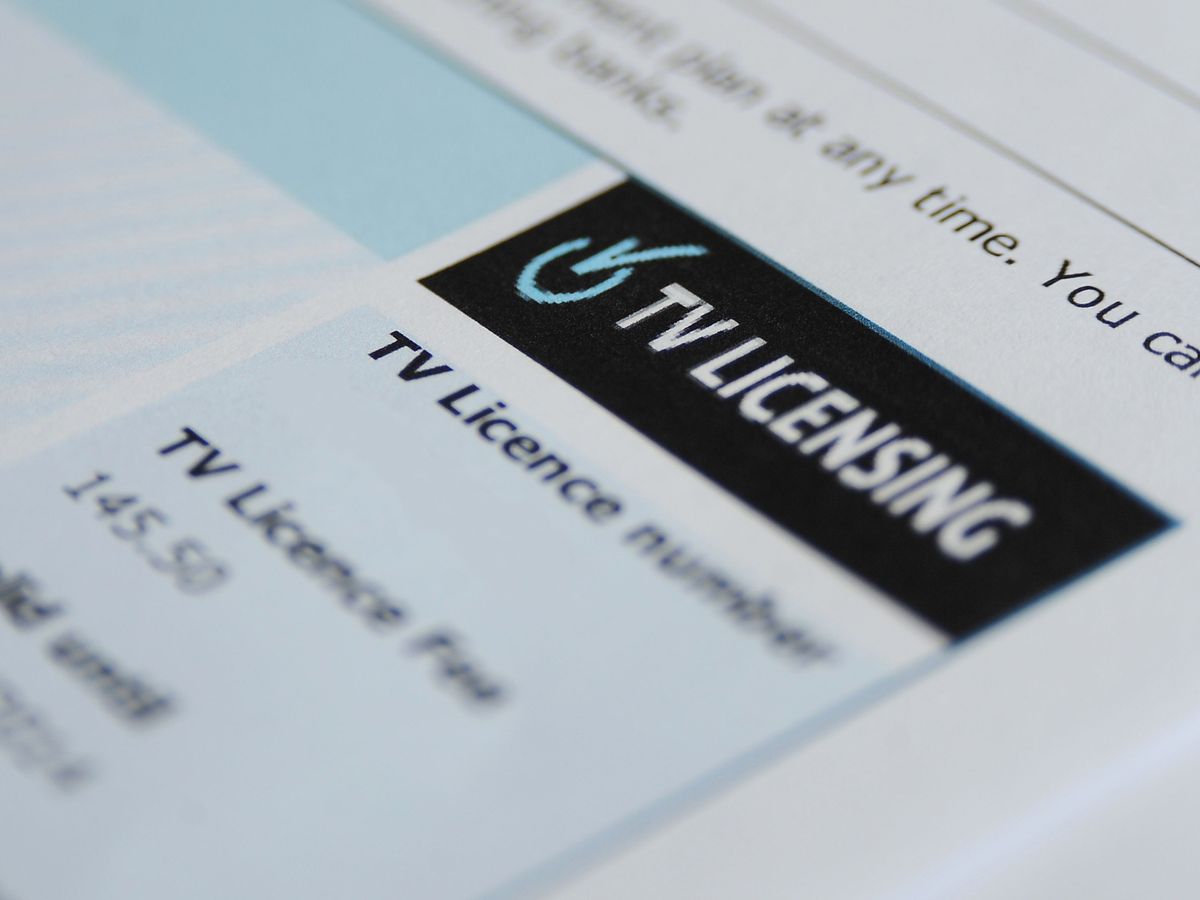
The TV licence is a requirement for UK residents who watch or record live television broadcasts. It funds the British Broadcasting Corporation (BBC), enabling it to provide public service broadcasting without advertising. With the landscape of media consumption shifting towards streaming services, the importance and relevance of the TV licence have come under scrutiny. This article delves into the latest developments regarding TV licence specifications and its implications for viewers.
Current Regulations and Requirements
According to the latest guidelines from the BBC, all households in the UK must hold a valid TV licence if they watch or record programmes as they are being broadcast. This includes those using services such as BBC iPlayer, regardless of whether they do so on a television set, computer, tablet, or mobile device. As of October 2023, the annual fee remains at £159 for a colour licence and £53.50 for a black-and-white licence.
Recent Developments in TV Licence Enforcement
In recent months, the BBC has made headlines regarding the enforcement of the TV licence due to the rising number of households opting out of the system. Data reveals that approximately 3.5 million UK households are currently unlicensed, prompting concerns about financing the BBC’s operations. The corporation has initiated measures to increase compliance, including the use of increased surveillance and outreach to non-compliant households.
Public Opinion and Controversy
The topic of the TV licence often ignites passionate debate among the public. Supporters argue that it is a fair contribution to fund quality programming that serves the public interest, while opponents claim that the fee is outdated, especially with the proliferation of alternative entertainment options. Recent surveys indicate that approximately 50% of respondents support the idea of reforming or abolishing the licence fee.
Conclusion: The Future of TV Licence in the UK
As the media landscape continually evolves, the future of the TV licence remains uncertain. With technological advancements allowing people to consume content in various ways, the traditional model of funding public broadcasting through a licence fee is being challenged. The BBC is under pressure to adapt and possibly rethink its funding mechanisms if it wishes to remain viable. For UK residents, understanding the obligations surrounding the TV licence is crucial to avoid penalties and to comprehend the ongoing discussions about public broadcasting in the nation.