Introduction
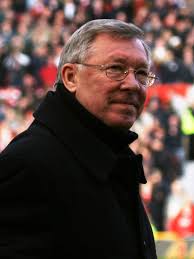
Sir Alex Ferguson, a name synonymous with success in football, remains an influential figure in the sport long after his retirement. Managing Manchester United for 26 years, his tenure is marked by incredible achievements and a transformative impact on the club. Ferguson’s leadership style and philosophy not only reshaped Manchester United but also left an indelible mark on football as a whole. Understanding his legacy is crucial for fans and scholars alike as it exemplifies excellence in sports management.
Achievements at Manchester United
Ferguson’s remarkable career at United began in 1986 when he took over the struggling team. Over the following decades, he amassed a staggering collection of trophies, including 13 Premier League titles, five FA Cups, and two UEFA Champions League trophies. Under his guidance, the team evolved into a dominant force in English and European football, breaking numerous records and instilling a winning mentality that transformed club culture.
His most notable triumph, the 1999 Treble-winning season, where Manchester United secured the Premier League, FA Cup, and Champions League titles, encapsulates Ferguson’s extraordinary ability to motivate and unite his players. Ferguson’s keen tactical insights, alongside his prowess in player development, ensured that United remained competitive through various eras and challenges.
Management Style and Philosophy
Ferguson was known for his unique management style, which combined discipline, mentorship, and psychological acumen. He had an exceptional ability to identify talent, which enabled him to discover gems like Ryan Giggs, Paul Scholes, and more recently, the likes of Cristiano Ronaldo. His man-management skills fostered loyalty and commitment from his players, pushing them beyond their limits to achieve collective goals.
Additionally, Ferguson was a master at adapting to changes in the game. His willingness to evolve with tactics, including the use of contemporary formations and inclusion of modern training techniques, kept the team at the forefront of football innovation.
Conclusion
Today, the legacy of Sir Alex Ferguson continues to influence managers and players worldwide. His insights into leadership and team dynamics are studied across sports fields, reinforcing the idea that success is built on a solid foundation of hard work, dedication, and strategic thinking. With annual commemorations and reflections upon his career, it is clear that Ferguson’s impact extends far beyond the pitch. He is not merely a football manager but a transformative figure who redefined the landscape of English football. As Manchester United navigates its post-Ferguson era, lessons from his tenure provide invaluable guidance on achieving enduring success.