Introduction
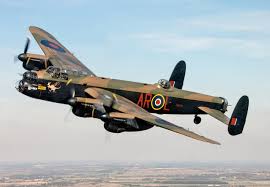
The Lancaster Bomber holds a prominent place in the annals of military aviation history. Known for its robust design and exceptional bombing capabilities, the Lancaster played a crucial role during World War II, particularly in the strategic bombing campaigns over Germany. Understanding the significance of this aircraft not only highlights the technological advancements of the time but also reflects on the profound impact it had on the war and its aftermath.
Design and Development
First flown in 1941, the Avro Lancaster was designed to meet the demands of high-altitude bomber operations. With a wingspan of 31 meters and a maximum takeoff weight of 68,000 lbs, it could carry up to 14,000 lbs of bombs. Its distinctive symmetrical shape and power supplied by four Rolls-Royce Merlin engines allowed it to fly at high speeds necessary to evade enemy defences. The aircraft became famous for its night-time bombing raids, with its most notable mission being the legendary Dam Busters raid, where it successfully targeted key infrastructure in the Ruhr Valley.
Strategic Importance
The Lancaster Bomber was instrumental in the Allied bombing campaign, which aimed to destroy German industrial capabilities and demoralise the enemy. Notably, Lancaster crews were part of operations that targeted crucial factories and cities, contributing significantly to the eventual defeat of Nazi Germany. The Lancaster’s impressive performance and adaptability allowed it to undertake a wide range of missions, from precision strikes to carpet bombing, making it one of the most versatile bombers of the time.
Legacy and Commemoration
Even decades after the war, the Lancaster Bomber remains a powerful symbol of bravery and sacrifice. Various memorials and museums across the UK, including the Royal Air Force Museum and the Bomber Command Memorial in London, celebrate the contributions of the Lancaster and its crews. Additionally, groups such as the Lancaster Preservation Group work tirelessly to maintain and restore these incredible aircraft, ensuring their stories continue to be told. In recent years, flying displays of the last remaining operational Lancaster, the ‘Thumper’, have captivated aviation enthusiasts and history buffs alike.
Conclusion
The Lancaster Bomber’s significance extends beyond its impressive specifications and military achievements; it is a testament to the ingenuity and resilience of those who served during World War II. As we reflect on its legacy, we acknowledge the lives lost and the lasting impact of air power in modern warfare. The Lancaster will forever be remembered not only as a machine of war but also as a beacon of hope and a symbol of the determination of the Allied forces towards victory.