Introduction
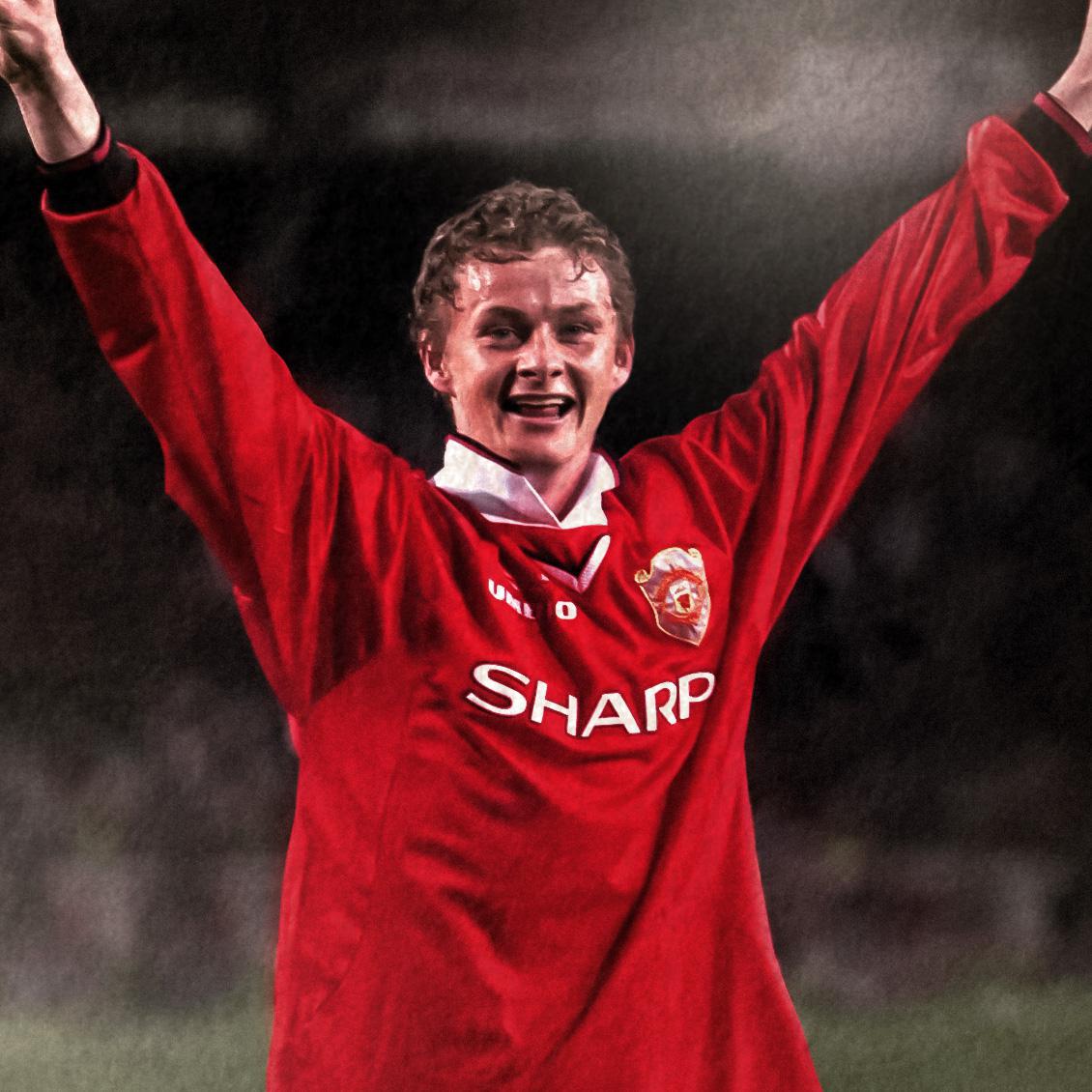
Ole Gunnar Solskjær is a name that resonates with football fans worldwide, largely due to his significant contributions to Manchester United as both a player and a manager. His legacy at the club, marked by crucial goals and notable managerial tenures, has solidified his status as a beloved figure among fans. As of 2023, his career continues to be a focal point in sports discussions, particularly regarding managerial positions within top-tier football clubs.
Career Highlights
Solskjær, often referred to as the ‘super-sub’, began his professional career in Norway before joining Manchester United in 1996. During his playing days, he became famous for his knack for scoring vital goals, including the unforgettable last-minute winner in the 1999 UEFA Champions League final against Bayern Munich, which helped secure a historic treble for the club.
After retiring as a player in 2007, Solskjær returned to United in various coaching roles, ultimately becoming the head coach in December 2018. His initial spell in charge saw a remarkable turnaround in the team’s fortunes, earning him the permanent managerial position in March 2019.
Recent Developments
Solskjær’s managerial tenure faced challenges, particularly during the 2021-2022 season when inconsistent performances led to his dismissal in November 2021. He left the club with a legacy of strong ties to the club’s heritage and an individual who understood the ethos of Manchester United. Since his departure, speculation surrounding his next steps has been a point of interest within the football community.
As of late 2023, Solskjær has been linked with potential managerial roles in various leagues, including the English Championship and abroad. Many analysts believe that his exceptional experience in managing high-pressure environments could see him return to management sooner rather than later. Solskjær’s ability to motivate young players and integrate a tactical approach from his time at United is seen as a valuable attribute in his next role.
Conclusion
The impact of Ole Gunnar Solskjær on Manchester United and football, in general, cannot be understated. His understanding of the club’s culture, combined with his tactical acumen and experience, means he is likely to remain a prominent figure in football discussions. Whether Solskjær returns to a managerial position or takes up a different role within the sport, his influence will undoubtedly continue to be felt in the coming years. Fans and pundits alike will be watching closely to see how his career unfolds from here.