Introduction
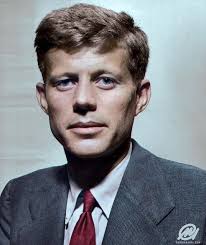
The assassination of President John F. Kennedy on November 22, 1963, remains one of the most significant events in American history. His murder in Dallas, Texas, not only shocked the nation but also left a profound impact on the political landscape and culture of the United States. As the country remembers the 60th anniversary of this tragic event, it is essential to reflect on the implications of Kennedy’s presidency and his untimely death.
The Assassination
On that fateful day, Kennedy was shot while riding in a motorcade through Dealey Plaza. Lee Harvey Oswald was quickly arrested for the crime, but he was murdered two days later by nightclub owner Jack Ruby, raising numerous questions about a broader conspiracy. The Warren Commission, formed to investigate the assassination, concluded that Oswald acted alone, yet skepticism about this conclusion persists as conspiracy theories have flourished over the decades.
Impact on American Society
The aftermath of the assassination had far-reaching effects on American society. It led to a surge in distrust towards the government, as many citizens questioned the official accounts surrounding the event. With the nation suddenly deprived of its charismatic leader, there was a palpable sense of loss and uncertainty about the future. The Civil Rights movement also drove forward in the wake of Kennedy’s death, as his successor, Lyndon B. Johnson, pushed through significant civil rights legislation in the 1960s.
Modern Relevance
Nearly 60 years later, JFK’s assassination continues to resonate with the public. Various media retellings, books, and conspiracy documentaries keep the discussion alive. The ongoing declassification of documents related to the case has sometimes provided new insights, but also added to the intrigue and controversy. Events commemorating the anniversary, like the recent televised discussions and panel debates, underline a public fascination with the enigmatic figure of JFK.
Conclusion
The legacy of John F. Kennedy remains complex and multifaceted. His presidency navigated critical issues of the time, including civil rights, the Cold War, and space exploration. As we reflect on the implications of his assassination, it is clear that it marked a definitive shift in American history. JFK’s untimely death not only altered the course of subsequent political developments but also transformed the public’s relationship with its leaders. Moving forward, understanding the cultural significance of JFK’s life and assassination is crucial for appreciating the intricacies of American history and society. As we continue to explore the chapters of this narrative, it is vital to consider how Kennedy’s vision for America still influences contemporary political discourse.