Introduction
Lee Harvey Oswald, a name that resonates with controversy and debate, is entrenched in American history due to his alleged role in the assassination of President John F. Kennedy on November 22, 1963. Understanding his background and actions is crucial for grasping the complexities surrounding one of the most pivotal events in modern American history.
Early Life and Background
Born on October 18, 1939, in New Orleans, Louisiana, Oswald’s early life was marked by instability and a tumultuous family environment. His father died shortly before he was born, leaving his mother to raise him largely alone. In his formative years, he exhibited behavioural issues, and by the time he entered his teenage years, Oswald had already moved multiple times, eventually culminating in a troubled youth that would later reflect his troubled adult life.
The Events Leading to the Assassination
Oswald’s life took a significant turn when he enlisted in the United States Marine Corps in 1956. After serving, he defected to the Soviet Union in 1959, only to return to the United States in 1962. His life during this period was marked by political activism, including the strong influence of Marxist ideologies. Upon returning to the U.S., he settled in Dallas, Texas, where he became involved with several communist groups and expressed vehement anti-American sentiments.
The Assassination of President Kennedy
On that fateful day in November 1963, President Kennedy was assassinated while riding in a motorcade through Dealey Plaza in Dallas. Oswald was arrested later that day and charged with the murder. The swift nature of his arrest added to the frenzy of conspiracy theories that surrounded the assassination. Little did he know, just two days later, he would himself be shot dead by nightclub owner Jack Ruby, sparking even more speculation.
Legacy and Historical Significance
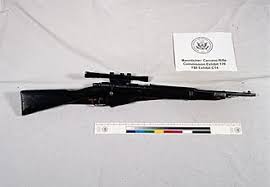
The circumstances surrounding Oswald’s life and death have led to intense debate and research. Various theories persist regarding whether he acted alone or had accomplices in a grand conspiracy to assassinate Kennedy. Numerous investigations, including the Warren Commission, implicated Oswald, but many remain unconvinced, citing a lack of substantive evidence and the hurried nature of the investigations.
Conclusion
Lee Harvey Oswald’s role in the assassination of President Kennedy continues to evoke interest, debate, and analysis in American culture. His story serves as a reminder of the complexities of history—how personal motivations may intertwine with larger political movements. As new information emerges and old records are declassified, the quest for clarity around his life and actions remains relevant, influencing discussions about governance, policy, and the narratives that shape national identity.