Introduction
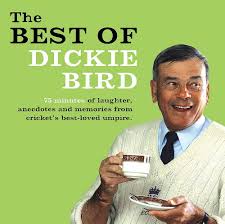
Dickie Bird, whose real name is Harold Edward Bird, is a name synonymous with cricket. Born on April 19, 1933, in Barnsley, England, Bird’s journey in the sport spans over six decades, earning him a revered status among cricket enthusiasts. His influence extends beyond the cricket field as he has become an integral part of the sport’s rich history, serving as a symbol of integrity and dedication.
Early Life and Career
Bird grew up in a working-class family and showed an affinity for sports from a young age. Before moving into officiating, he had aspirations of playing professionally, but injuries thwarted his early ambitions. In 1962, he took the first steps towards becoming an umpire, beginning a journey that would see him officiate over 600 first-class matches, including 66 Test matches from 1973 to 1996.
Umpiring Style and Notable Matches
Known for his engaging personality and distinctive style, Bird became a fan favourite both on and off the field. He was not only celebrated for his decision-making skills but also for his affable nature, which made him approachable to players, broadcasters, and spectators alike. His umpiring career highlights include overseeing iconic matches such as the 1983 World Cup final and pivotal Ashes Tests, where his fairness was frequently praised.
Off the Pitch: Personality and Legacy
Beyond his role as an umpire, Bird’s charisma earned him various opportunities in television and media, where he shared insights into the game. He remains a prominent figure in the cricketing world, known for his distinctive expressive gestures and ability to connect with audiences. Bird’s extensive contributions have seen him honoured with numerous awards, including the MBE in 1998 for his services to cricket.
Conclusion
As the cricketing landscape continues to evolve, Dickie Bird’s legacy remains firmly entrenched in the sport. His journey illustrates the importance of resilience, integrity, and passion in each aspect of cricket. Bird’s story serves not just as an inspiration to aspiring umpires but to all involved in sports, demonstrating how one can carve a significant legacy through dedication and love for the game. As cricket fans continue to celebrate the game’s history, Dickie Bird will undoubtedly always hold a special place in their hearts.