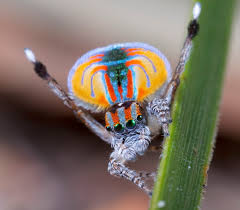
Introduction to the Peacock Spider
The peacock spider, belonging to the family Maratus, has gained recognition for its vibrant colours and elaborate courtship rituals. Found primarily in Australia, these diminutive arachnids can have an array of hues that rival any rainbow, making them crucial for both ecological and educational purposes. Their unique behaviours and physical traits not only captivate researchers but also wildlife enthusiasts and photographers around the globe.
Unique Characteristics
Adult male peacock spiders typically measure only 5mm in size, making them one of the smallest spider species. Despite their size, their striking colours help them attract mates during the breeding season. The males flaunt their brightly patterned abdomens in a spectacular dance, elevating their legs to reveal their vivid patterns. This mating display, characterised by jumping and spinning, is as much a show of agility as it is of colour.
Recent Discoveries
Recent studies have uncovered numerous species of peacock spiders, with more than 70 identified to date. Among these, Maratus volans, commonly known as the “rainbow spider,” and Maratus caeruleus, or the “blue peacock spider,” have sparked considerable interest due to their exceptional visual displays. Researchers have been exploring their behaviours and the evolutionary aspects of their mating rituals, highlighting the importance of visual signals in their courtship.
Conservation Status and Habitat
While the peacock spider is not currently in danger, its habitat faces threats from urbanisation and climate change. The ecosystems they inhabit are often disturbed, leading to concerns among conservationists about habitat loss. Awareness and understanding of these unique creatures are vital for their preservation, urging scientists and enthusiasts alike to promote conservation efforts.
Conclusion and Importance
The peacock spider serves as a vital subject for research in the fields of biology and ecology, particularly in the areas of sexual selection and behavioural ecology. As studies continue, scientists hope to further unravel the mysteries of their colourful displays and intricate behaviours. For nature lovers and arachnid enthusiasts, peacock spiders are a symbol of the complexity and beauty found in the natural world, reminding us of the importance of protecting our fragile ecosystems for future generations.