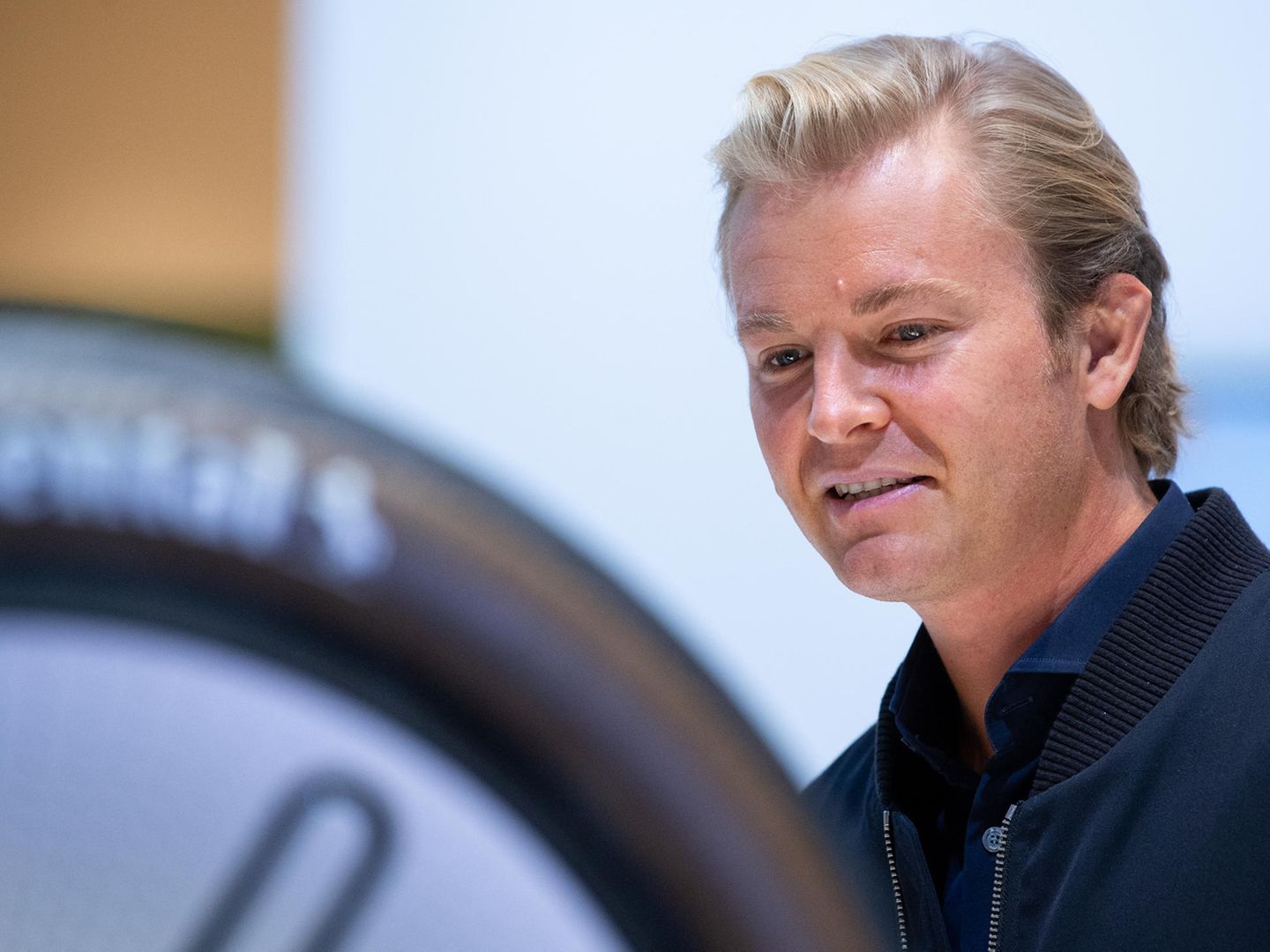
Nico Rosberg: A Brief Overview
Nico Rosberg, the German-Finnish former Formula One driver, cemented his legacy in the world of motorsport by clinching the F1 World Championship title in 2016. His victory over teammate Lewis Hamilton was a historic moment, marking the culmination of a decade-long career in the sport. Rosberg is not only known for his exceptional racing skills but also for his commitment to sustainability and environmental causes.
Career Highlights
Born on June 27, 1985, in Wiesbaden, Germany, Rosberg made his Formula One debut in 2006 with the Williams team. Over the years, he honed his skills, eventually joining Mercedes in 2010. It was here that he truly flourished, winning a total of 23 races during his career. His 2016 championship win was particularly significant, as it concluded a fierce rivalry with Hamilton, which had garnered global attention. Rosberg announced his unexpected retirement just days after winning the championship, citing the desire to spend more time with his family and a wish to leave the sport at the top of his game.
Post-Retirement Endeavours
Since retiring from professional racing, Rosberg has shifted his focus towards advocating for sustainability within the automotive and motorsport industries. In 2020, he founded Rosberg X Racing, a team competing in the Extreme E series, which aims to raise awareness around climate change. Rosberg has also become involved in various sustainability initiatives, including electric vehicle promotion and climate change activism. His commitment extends beyond racing, as he engages in educational campaigns aimed at promoting environmental responsibility.
Legacy and Influence
Nico Rosberg’s influence runs deeper than his accolades on the racetrack. His transition from a celebrated athlete to a leader in sustainability showcases the evolving role of sports figures in addressing global issues. Rosberg’s actions inspire a new generation of racers and fans to consider the environmental impact of motorsport. As the industry slowly pivots towards greener technologies, advocates like Rosberg are crucial in shaping future practices.
Conclusion
In conclusion, Nico Rosberg’s legacy as an F1 champion is complemented by his passion for sustainability. His efforts to promote environmental awareness in motorsport underscore the importance of responsibility and innovation in today’s world. As the automotive landscape continues to change, Rosberg is proof that athletes can leverage their platform to influence positive change. His journey serves as an inspiring blueprint for sports professionals aiming to use their fame for the greater good.