Introduction
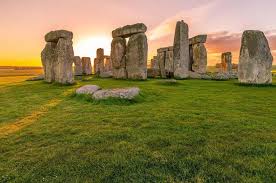
Stonehenge, an iconic prehistoric monument located in Wiltshire, England, has captivated the attention of historians, archaeologists, and tourists alike for centuries. Recognised as a UNESCO World Heritage Site, this ancient structure is not just a remarkable feat of engineering but a cultural symbol rich in history and mystery. Its significance stretches beyond mere aesthetics; it serves as a crucial window into the life and beliefs of ancient societies that once thrived in the British Isles.
Historical Background
Stonehenge’s construction began around 3000 BC during the Neolithic period and continued into the Bronze Age (around 2000 BC). Archaeologists believe the massive stones, which are arranged in a circular layout, were transported from as far away as Wales—over 200 miles from their location. The exact reason for Stonehenge’s creation remains a subject of debate, with theories ranging from it being an astronomical calendar to a religious site of healing.
Recent Discoveries and Research
In recent years, technological advancements have allowed researchers to unlock more of Stonehenge’s secrets. Ground-penetrating radar and 3D imaging have revealed previously undiscovered structures nearby, suggesting that the area was more populated than once thought. A significant recent discovery includes evidence of a ‘superhenge’—a massive stone circle approximately 2 miles away from Stonehenge, challenging existing theories about the area’s use in ritualistic practices.
Cultural Significance
Stonehenge also plays a vital role in contemporary culture. Each summer solstice, thousands gather at the site to witness the sun rise over the stones, a practice that reflects both ancient and modern spiritual beliefs. Furthermore, in late 2020, the UK government allocated funds to protect the site and improve visitor facilities, recognising its importance to national heritage and economy.
Conclusion
As we look to the future, Stonehenge remains a testament to human ingenuity and the enduring quest for meaning in our existence. With ongoing excavations and research, we are likely to uncover even more about this ancient monument and its role in prehistoric society. Stonehenge is not just a relic of the past; its ongoing story invites us to reflect on our collective human journey. For those intrigued by the mysteries of history, a visit to Stonehenge serves not only as a connection to our ancestors but also an opportunity to engage with the profound questions that have shaped human civilization.