Introduction
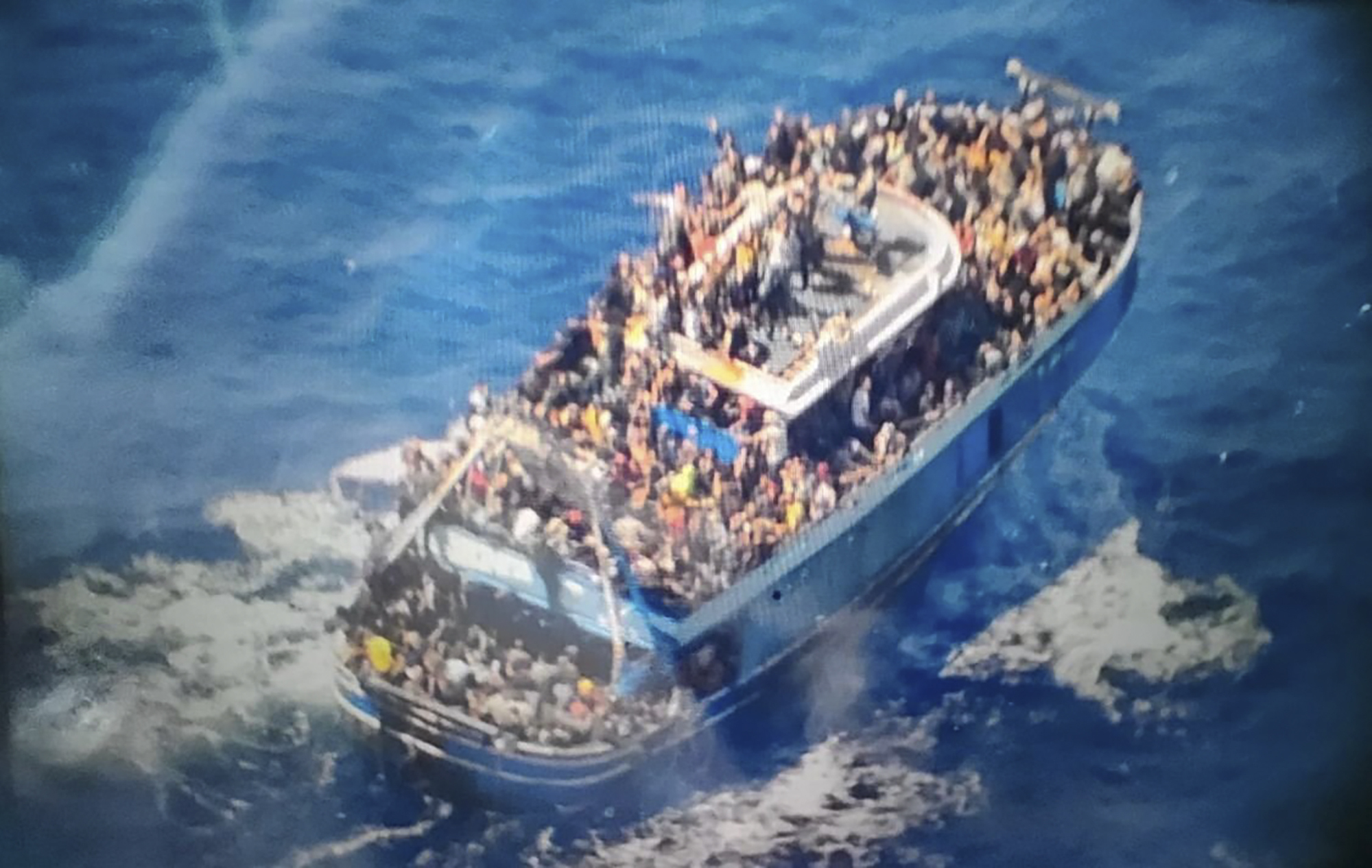
The issue of migrant boats in Greece has gained significant attention in recent years, particularly as the Mediterranean Sea continues to be a perilous route for those fleeing war, poverty, and persecution. This topic is immensely important not only for the humanitarian concerns surrounding migrants but also for the political and social implications faced by Greece and the European Union. As reported by the International Organisation for Migration (IOM), over 17,000 migrants have risked their lives crossing the sea to reach Greece in 2023 alone, highlighting the urgency and scale of the crisis.
Current Situation
This year, Greek authorities have encountered a rising influx of migrant boats, particularly from countries like Afghanistan, Syria, and conflict-ridden regions of Africa. The preferred method for many migrants remains treacherous sea crossings, despite the inherent risks involved. In September 2023, Greece reported a staggering increase of 30% in arrivals compared to the previous year, raising alarms among both local and international officials.
The Greek Coast Guard has been working tirelessly to manage the situation, often engaging in search and rescue operations. In recent weeks, tragic incidents have underscored the dangers of this journey; several deaths have been reported, drawing criticism from human rights organisations who urge for more humane treatment of migrants and proper processes in case of emergencies.
Political and Social Implications
The surge in migrant boats has prompted the Greek government to reassess its policies regarding border control and asylum processes. Prime Minister Kyriakos Mitsotakis has stated that Greece remains committed to its obligations under international law while ensuring the safety and security of its borders. However, there are concerns that stricter measures may not only hinder the rights of asylum seekers but also exacerbate the humanitarian crisis.
Local communities have expressed mixed feelings. While some citizens sympathise with the plight of migrants, others feel overwhelmed by the influx and its impact on public services and local resources. This has led to tensions and has sparked debates on how best to address these urgent humanitarian and logistical challenges.
Conclusion
As the situation evolves, it is evident that comprehensive solutions are required to address the crisis surrounding Greece’s migrant boats. Moving forward, greater collaboration between the Greek government, other EU member states, and humanitarian agencies will be critical in ensuring both the safety of those seeking refuge and the stability of Greece’s social and political landscape. The international community must rise to the occasion, advocating for policies that balance border security with the fundamental human rights of migrants.