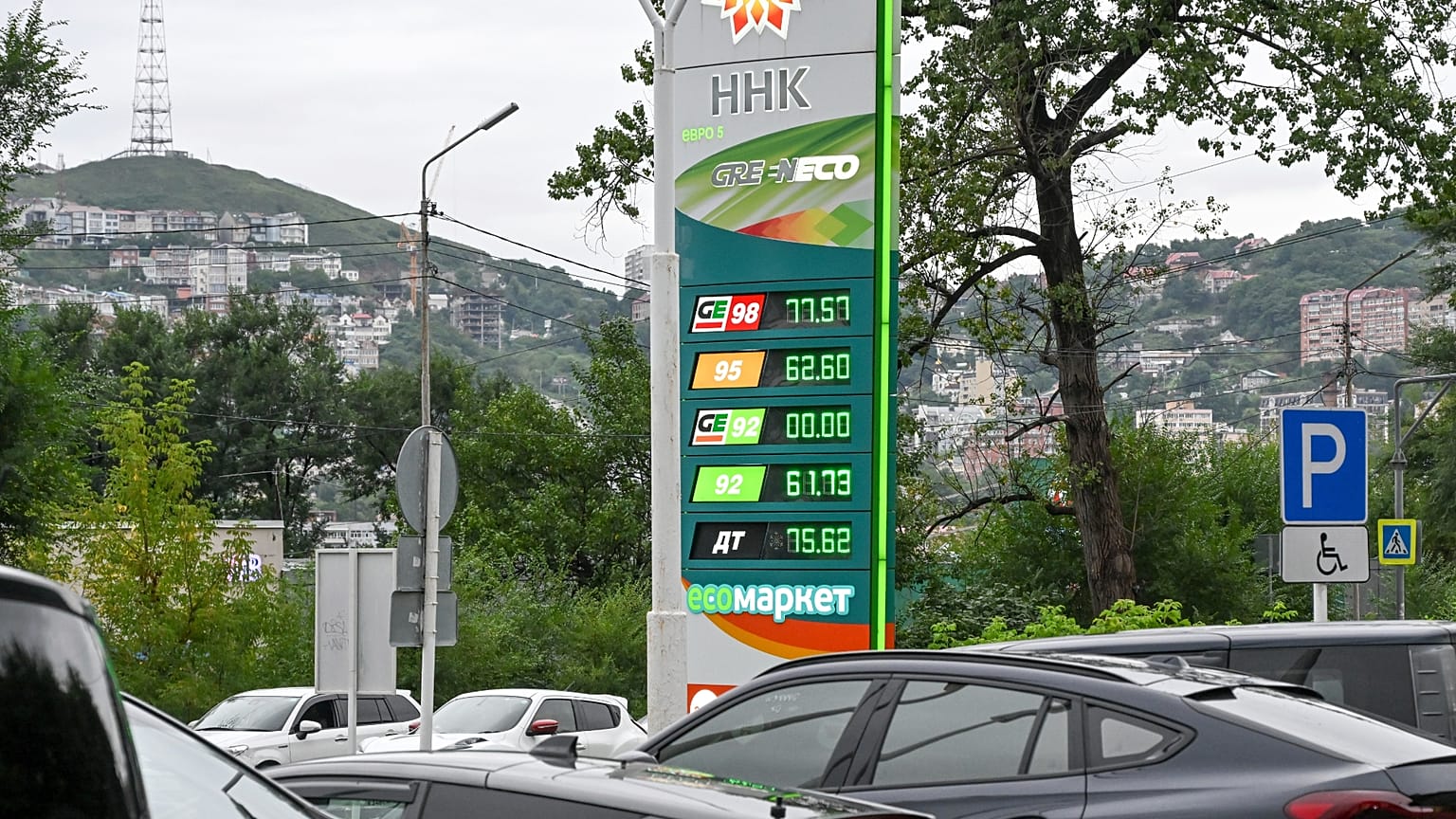
Introduction
The Russia petrol crisis has become a focal point for analysts and policymakers navigating the tumultuous geopolitical landscape of 2023. As one of the world’s largest oil producers, Russia’s ability to export petrol significantly affects global fuel prices and energy security. Current sanctions and market dynamics are intensifying the crisis, raising concerns about economic repercussions worldwide and highlighting the urgent need for diversification of energy sources.
Current Situation
As of late 2023, the petrol crisis in Russia has escalated due to a combination of sanctions from Western nations in response to ongoing conflicts, and the subsequent fall in Russian exports. According to the International Energy Agency (IEA), Russian oil exports have fallen by nearly 40% compared to pre-crisis levels, resulting in a sharp increase in global oil prices. This has created a ripple effect, prompting fuel prices to surge across Europe and beyond, leading to heightened inflationary pressures.
Reports indicate that the Russian government is exploring alternative markets, primarily turning towards Asia with increased exports to nations like China and India, which have been less inclined to join Western sanctions. However, this shift may not fully compensate for lost revenue resulting from conventional trade relationships, exacerbating the domestic economic situation in Russia.
Global Repercussions
The implications of the Russia petrol crisis extend far beyond its borders. Many European countries, which rely heavily on Russian oil and gas, are now racing to secure alternative supplies. The European Union has accelerated its strategy to reduce dependency on Russian energy, with plans to enhance renewable energy usage and invest in infrastructural projects for gas imports from other suppliers.
In the United Kingdom, motorists are feeling the strain, with rising petrol prices contributing to an overall increase in the cost of living. The UK’s RAC Foundation has reported that fuel prices have reached unprecedented levels, putting further pressure on household budgets.
Future Outlook
As the crisis unfolds, experts are predicting continued volatility in global fuel markets. Analysts are urging nations to rethink their energy strategies to ensure resilience against similar crises in the future. The current scenario highlights the importance of investing in renewable energy sources and enhancing energy efficiency, to prepare for a future that is less dependent on fossil fuels.
In conclusion, the Russia petrol crisis serves as a critical reminder of the interconnectedness of global markets and the need for strategic energy diversification. Policymakers and industry leaders alike must collaborate to navigate this crisis, mitigating its impacts and paving the way towards a more sustainable energy future.