Introduction
The Piper Alpha disaster was one of the deadliest offshore oil disasters in history, occurring on the night of July 6, 1988, in the North Sea. This tragic event not only resulted in the loss of 167 lives but also reshaped safety standards in the oil and gas industry. The significance of studying the Piper Alpha catastrophe lies in preventing future incidents and understanding the human, technical, and regulatory failures that led to such a devastating outcome.
Details of the Disaster
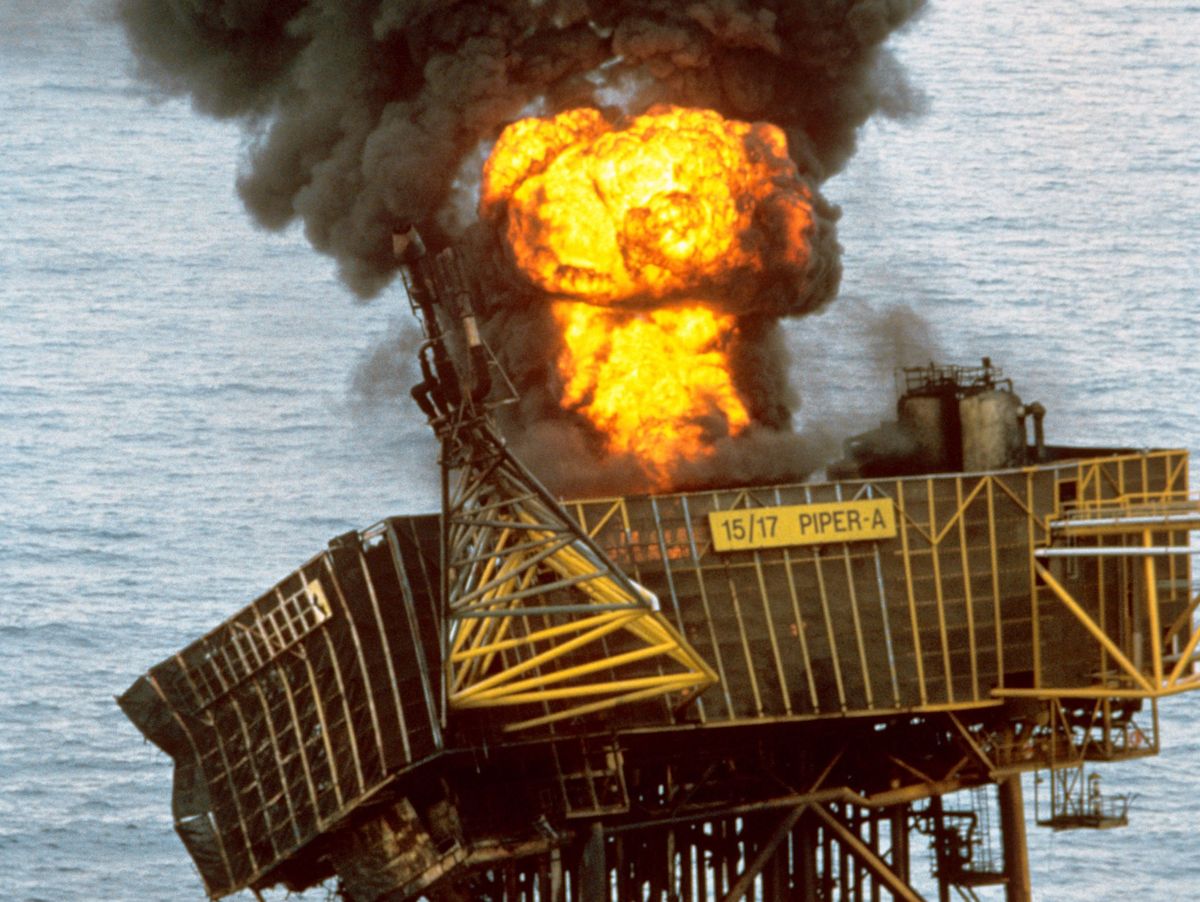
Piper Alpha was an oil production platform situated approximately 120 miles northeast of Aberdeen, Scotland. In the early hours of July 6, a gas leak resulted from routine maintenance work, leading to a series of explosions and a catastrophic fire that engulfed the platform. Despite efforts to evacuate the crew, the rapid escalation of the fire made it nearly impossible for many to escape.
The disaster prompted a thorough investigation, revealing significant shortcomings in safety management, emergency preparedness, and communication protocols. The official Cullen Inquiry into the incident identified failures such as inadequate lifesaving equipment and improper maintenance practices. Most notably, the inquiry underscored the need for improved safety measures in offshore oil operations.
Regulatory Changes Post-Disaster
In response to the findings from the Cullen Inquiry, the UK government introduced a series of changes to regulatory frameworks governing offshore oil and gas operations. Key recommendations included the establishment of the Offshore Safety Division and the introduction of the “Safety Case” regulations, which require operators to demonstrate the safety of their installations.
Furthermore, the international oil and gas industry also adopted stricter safety protocols and risk management practices. These changes have influenced offshore drilling operations globally, aiming to enhance worker safety and accident prevention across various regions.
Conclusion
The Piper Alpha disaster serves as a harrowing reminder of the potential dangers associated with offshore oil production. By reflecting on the past and implementing rigorous safety measures, the industry has taken significant steps to safeguard workers and prevent similar tragedies. As global energy demands grow, continuing to prioritise safety will be crucial in ensuring the protection and well-being of those in risky environments, making it essential for both policy-makers and industry leaders to remain vigilant.