Introduction
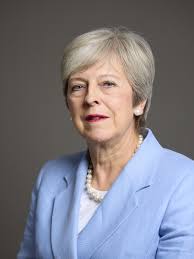
Theresa May, who served as the Prime Minister of the United Kingdom from July 2016 to July 2019, continues to be a relevant figure in British politics. Her leadership came during a tumultuous period defined by the Brexit referendum, political upheaval, and challenges within her own party. Understanding her legacy and influence provides insights into contemporary political dynamics in the UK.
May’s Leadership and Challenges
Assuming office following the resignation of David Cameron, May inherited the complex task of guiding the UK through the Brexit negotiation. Initially, she presented herself as the ‘Brexit Prime Minister,’ vowing to deliver on the will of the people expressed in the 2016 referendum. However, her premiership was marked by significant hurdles, including internal party dissent, opposition from Parliament, and public outrage over her handling of Brexit negotiations.
One of the key moments of her tenure was her insistence on pursuing a ‘strong and stable’ approach, which ultimately led to a controversial general election in 2017. The outcome resulted in a hung parliament, undermining her authority and complicating her Brexit strategies. The inability to secure a majority further delineated the fractures within the Conservative Party.
Brexit Negotiations and Resignation
Throughout her term, May struggled to negotiate a Brexit deal that could satisfy both her party and the opposition. After several failed votes on her proposed deal with the European Union, it became evident that her leadership was faltering. Eventually, in May 2019, facing overwhelming pressure from party members, she announced her resignation, marking the end of her premiership.
Post-Premiership Impact
Since leaving office, May has remained active in political discourse, often addressing issues around women in politics and governance. She has spoken out on critical matters such as climate change and international relations, showcasing her continued commitment to public service. Her position as a former Prime Minister adds significant weight to her opinions as the UK navigates new challenges under the current government.
Conclusion
Theresa May’s time in leadership was a reflection of broader societal tensions within the UK concerning Brexit and party politics. As debates continue over the country’s direction, her experiences and insights provide valuable perspectives for both politicians and citizens. The significance of her legacy will likely resonate for years to come, especially as the UK seeks to redefine its role on the global stage.