Introduction
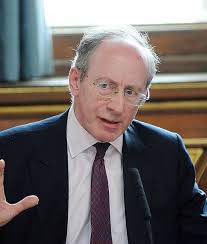
Malcolm Rifkind, a prominent figure in British politics, has had a distinguished career that spans decades, serving as both Foreign Secretary and Defence Secretary. His contributions to UK political landscape make him a pivotal character in understanding modern British governance and international relations. As the country navigates complex global challenges, understanding Rifkind’s work and influence remains highly relevant.
Early Life and Entry into Politics
Born on 21st June 1946, in Edinburgh, Scotland, Malcolm Rifkind was educated at George Watson’s College and later at the University of Edinburgh, where he studied law. His political career began in earnest when he was elected as Member of Parliament (MP) for Edinburgh Pentlands in 1974, quickly securing a reputation as a skilled orator and politician.
Ministerial Roles and Responsibilities
Rifkind’s tenure in government began in earnest in the 1980s when he held various ministerial positions under Margaret Thatcher’s administration. He was appointed as Minister of State for Defence, where he played a crucial role during the Cold War era, advocating for UK military interests. His notable role as Secretary of State for Foreign and Commonwealth Affairs from 1995 to 1997 was marked by significant diplomatic engagements and a focus on European policy.
Post-Politician Career and Contributions
After leaving Parliament, Rifkind continued to influence political and public discourse. He served as chairman of several organisations, including the Intelligence and Security Committee, where he presented a balanced perspective on national security issues. Additionally, he became a respected voice in academia, giving lectures and writing about international relations and governance.
Current Relevance and Legacy
In current discussions around geopolitics, Rifkind’s insights into Brexit, EU relations, and global diplomacy remain relevant. His ability to navigate conflict and consensus building is increasingly highlighted as essential in today’s fragmented political environment. His public commentaries continue to provide valuable perspectives on contemporary issues, including security and international trade.
Conclusion
Malcolm Rifkind’s lengthy career in British politics has left an indelible mark on the political landscape. As the UK faces unprecedented challenges in the realm of international relations post-Brexit, the insights from experienced politicians like Rifkind are invaluable. His legacy is one of serving the public with dedication while adapting to the rapidly evolving political climate. Observers of UK politics and international relations should continue to engage with his work as it offers essential perspectives on encountering today’s global challenges.