Introduction
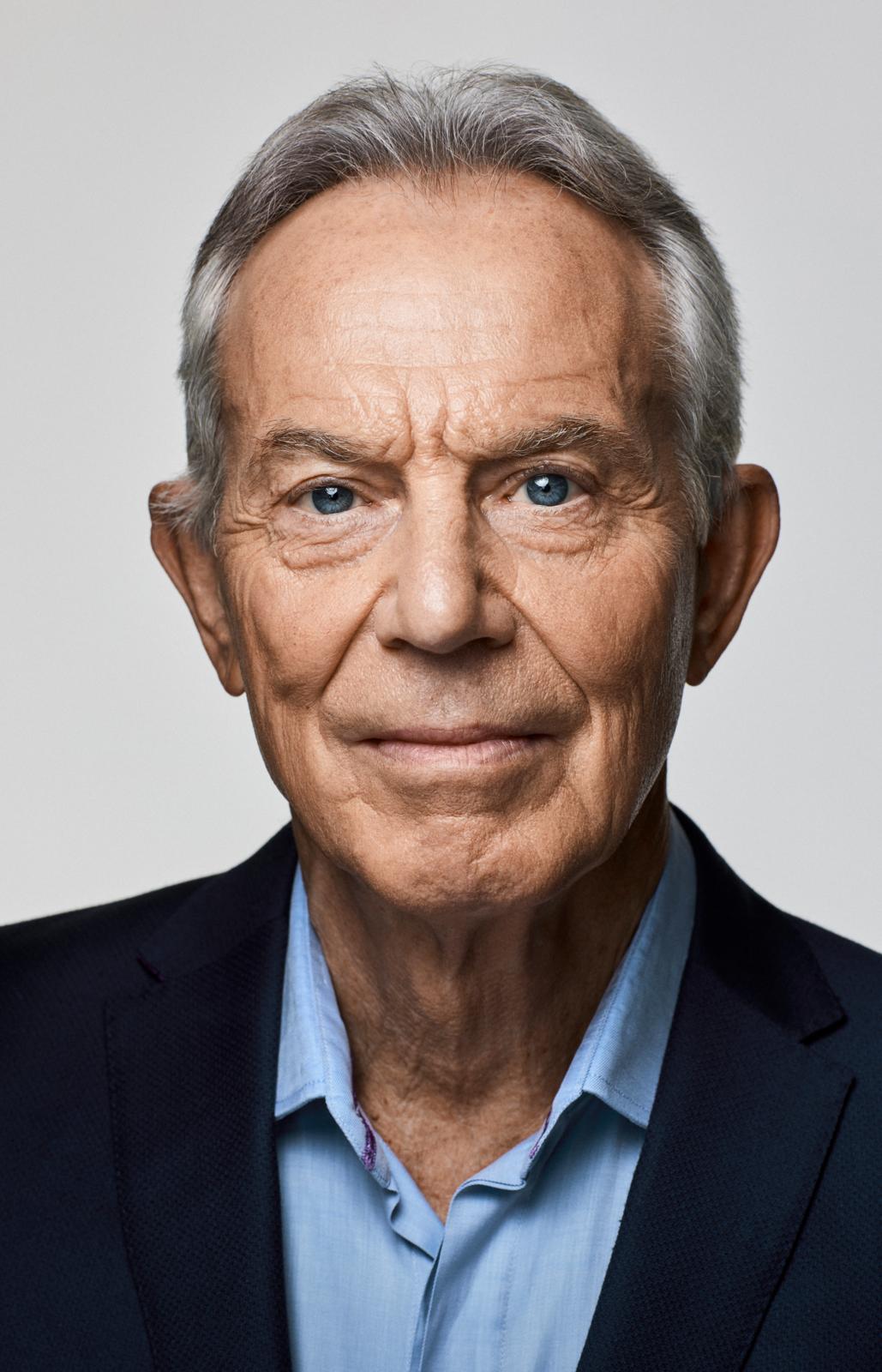
Tony Blair, who served as Prime Minister of the United Kingdom from 1997 to 2007, remains a pivotal figure in both British and global politics. His time in office transformed not only the Labour Party but also the landscape of UK governance and international relations. Understanding Blair’s legacy is crucial as it sheds light on issues that continue to resonate today, including the role of the UK in global conflicts and domestic policies that shaped modern Britain.
A Transformative Leadership
Blair’s ascent to prime ministership marked a significant shift for the Labour Party, which had historically been perceived as a party of the working class. His adoption of ‘Third Way’ politics aimed to bridge the gap between traditional socialism and free-market capitalism. By focusing on public-service reforms, economic stability, and a progressive agenda, he won a landslide election in 1997, ending 18 years of Conservative rule.
Key Policies and Events
During his tenure, one of Blair’s most notable accomplishments was the introduction of the National Health Service (NHS) reforms, which aimed to improve healthcare access and quality. He also implemented significant educational reforms that included increased funding for schools and initiatives such as the introduction of tuition fees for university students.
However, his legacy has been marred by controversial decisions, particularly the UK’s involvement in the Iraq War in 2003. Blair’s decision to support the United States in military intervention based on claims of weapons of mass destruction faced substantial backlash. Subsequent inquiries revealed that many of these claims were unfounded, leading to a profound disillusionment among the British public and sparking debates about the ethics of military intervention.
Post-Prime Ministerial Influence
Since leaving office, Blair has remained active in public life through the Tony Blair Institute for Global Change, which focuses on global challenges and policy advancement. His commentary on Brexit has attracted both support and criticism, as he advocates for a second referendum and a stronger relationship with the European Union. He emphasizes the need for unity and collaboration in addressing global issues, particularly climate change and migration.
Conclusion
As the UK grapples with contemporary political challenges, Tony Blair’s legacy continues to influence discussions around governance and international relations. While his tenure was marked by significant achievements, the controversies that emerged have shaped public sentiment regarding political leadership. Understanding the complexities of Blair’s time in office is essential for comprehending the current political climate in the UK and the implications for future leadership. As discussions around leadership evolve, the lessons from Tony Blair’s era remain relevant and provide a framework for assessing modern political strategies.