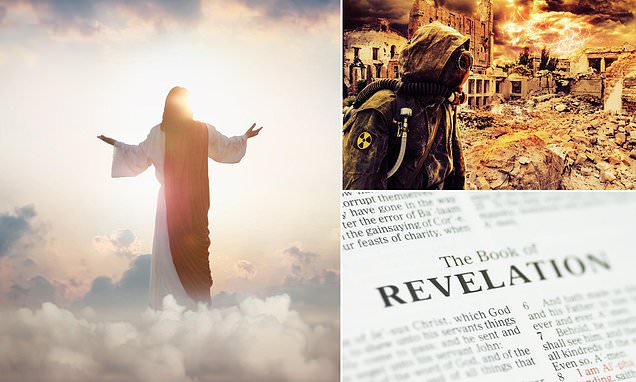
Introduction to the Rapture of Jesus
The Rapture of Jesus is a significant theological concept within Christianity, primarily among evangelical and fundamentalist Christians. It refers to the event where believers are said to be taken up to heaven before a period of tribulation on Earth. The relevance of this doctrine is underscored by ongoing discussions about prophecy, end times, and the Second Coming of Christ, especially in light of present-day challenges, such as global crises and societal upheaval.
Understanding the Concept
The term ‘Rapture’ does not appear in the Bible; it originates from the Latin word ‘rapturo’, meaning ‘to seize’ or ‘to carry away’. The most commonly cited scripture supporting the Rapture is found in 1 Thessalonians 4:16-17, where it states that the Lord will descend from heaven, calling the faithful to join Him. This belief varies among different denominations, with some viewing it as a literal event and others interpreting it more symbolically.
Current Beliefs and Interpretations
In recent years, the idea of the Rapture has gained renewed popularity due to various factors. The increase in natural disasters, wars, and social unrest has prompted some believers to feel that the signs of the times are evident, suggesting that the Rapture could occur imminently. The release of films, books, and sermons discussing end time prophecies has also contributed to this revival of interest. However, interpretations vary widely; some theologians advocate for a pre-tribulation Rapture, while others propose a mid- or post-tribulation view. This diversity of thought leads to vibrant discussions within the faith community.
Conclusion: Significance for Believers
The Rapture remains a polarising topic, galvanising many within the Christian community while causing skepticism among non-believers and some Christian denominations. For many, it encapsulates themes of hope, redemption, and eternal life; hence it maintains its prominence in both personal faith and wider discussions about the Christian eschatological narrative. As societal challenges persist, the dialogue around the Rapture is likely to continue evolving, reflecting the deep-seated beliefs and hopes of millions about the future and divine intervention. Ultimately, whether viewed as an imminent event or a metaphorical journey, the Rapture of Jesus signifies a profound aspect of faith for numerous Christians worldwide.