Introduction
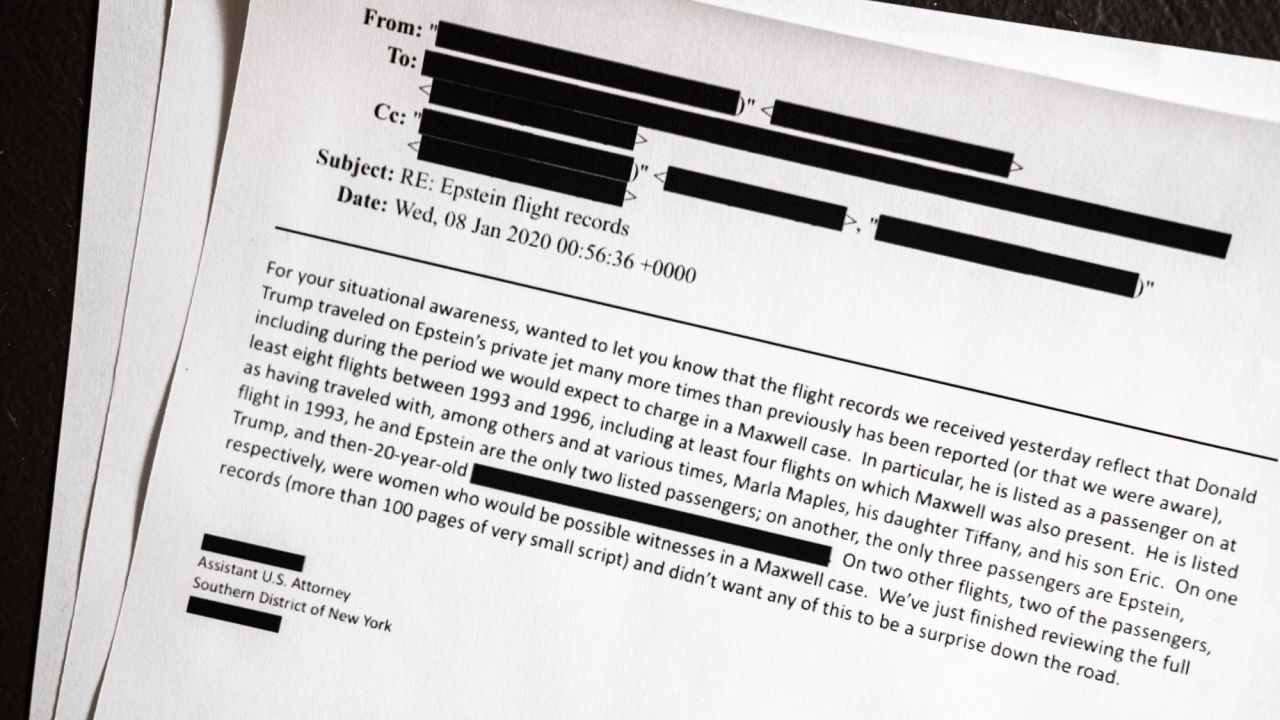
The recent release of the DOJ Epstein files has garnered significant attention, highlighting the complex legal battles surrounding notorious financier Jeffrey Epstein. The files, which include declassified documents and court records, are pivotal for understanding the extensive investigations into Epstein’s criminal activities and the broader implications for justice and accountability in cases of sexual abuse and trafficking.
Details on the DOJ Epstein Files
The Department of Justice (DOJ) made the Epstein files available to the public following various Freedom of Information Act (FOIA) requests and mounting pressure from advocacy groups seeking transparency. These documents encompass various aspects of Epstein’s life, including his connections with high-profile individuals, the extent of his criminal operations, and the federal responses to allegations made against him.
Among the revelations, notable files contain testimonies from victims, evidence collected during investigations, and details about Epstein’s dealings with law enforcement. Many documents illustrate a troubling pattern of how Epstein exploited his wealth and influence to evade serious consequences for years. Additionally, the newly released materials reveal previously undisclosed relationships with various individuals, raising questions about complicity and accountability in enabling Epstein’s actions.
Public Reaction and Significance
The release of the DOJ Epstein files has sparked a renewed public discourse on the issues of sexual abuse, trafficking, and the systemic failures of institutions that allowed Epstein to operate unchecked for so long. Victims’ advocates herald this transparency as a crucial step toward healing and justice, emphasizing that the files could help shed light on other unsolved cases and create awareness for future prevention measures.
While some supporters of the release are optimistic that these files will lead to further investigations and potential criminal charges against others in Epstein’s circle, skeptics urge caution, emphasizing that systemic issues must be addressed to prevent reoccurrence.
Conclusion
The unearthing of the DOJ Epstein files represents a critical moment in the ongoing fight against sexual abuse and trafficking. Offering insights into Epstein’s predatory behavior, the documents bear testament to the need for systemic reform, increased accountability, and support for victims. As more information emerges, continued scrutiny of individuals and institutions connected to Epstein’s operations will be essential in ensuring justice is served not just for the victims, but also for the integrity of the judicial system. The significance of these files extends beyond the immediate scandal, highlighting a call for profound societal change regarding the treatment of sexual abuse cases.