Introduction
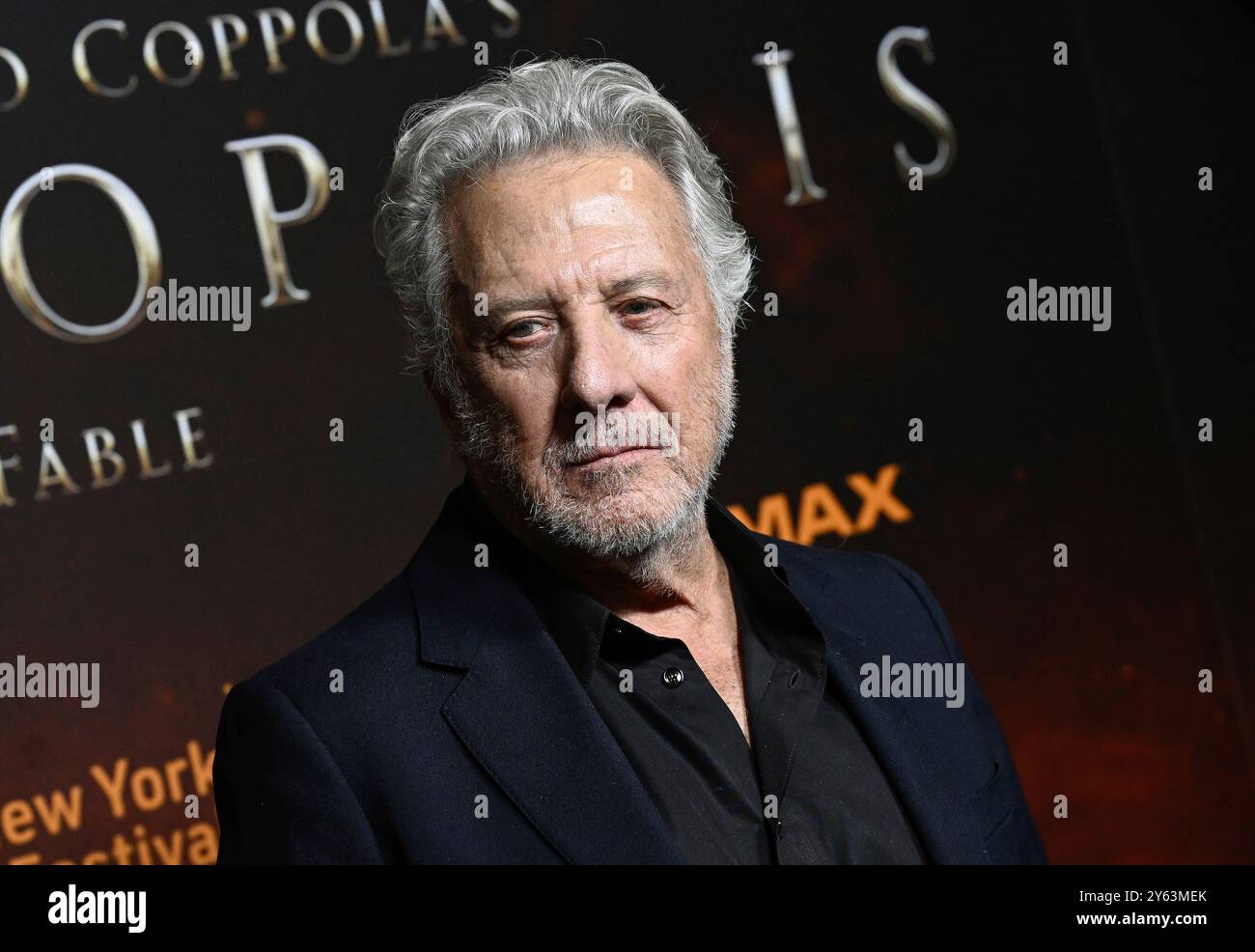
Dustin Hoffman, an iconic figure in the film industry, has captivated audiences for over five decades with his extraordinary performances. Born on August 8, 1937, in Los Angeles, California, Hoffman’s versatility as an actor has earned him critical acclaim, numerous awards, and a prominent place in cinematic history. As discussions regarding the advancement of acting craft and film storytelling continue, Hoffman’s contributions remain ever relevant.
Cinematic Breakthroughs
Hoffman’s career took off in the late 1960s, particularly with his role in The Graduate (1967), a film that not only defined a generation but also showcased Hoffman’s talent for complex characters. The story of a disillusioned young man’s affair with an older woman highlighted Hoffman’s ability to portray vulnerability and insecurity, traits he would revisit in various roles throughout his career. He followed this success with a range of films including Midnight Cowboy (1969) and All the President’s Men (1976), establishing his reputation as a serious, dedicated actor.
A Range of Iconic Roles
Hoffman is perhaps best known for his unparalleled portrayal of characters with emotional depth. One of his most notable performances came in Rain Man (1988), where he played Raymond Babbitt, an autistic savant. This role earned Hoffman his second Academy Award for Best Actor, demonstrating his ability to bring nuanced and sensitive portrayals to the forefront of Hollywood. His other acclaimed films include Tootsie (1982), where he successfully challenged traditional gender roles, and Straw Dogs (1971), which displayed his range in more intense roles.
Impact and Recognition
Hoffman’s talents have been recognised with numerous accolades. He is a two-time Academy Award winner and has been nominated for five other Oscars. His performances have deeply influenced many aspiring actors and filmmakers, with his technique often being studied in acting schools worldwide. Beyond acting, Hoffman has also directed and produced, further showcasing his commitment to the arts.
Conclusion
As Hollywood continues to evolve, Dustin Hoffman remains a stalwart figure whose work transcends generations and inspires countless individuals. His ability to immerse himself in a diverse array of characters remains a hallmark of his career, reminding us of the profound impact of storytelling through performance. With his legacy firmly established, one can only anticipate further developments in Hoffman’s career as well as the enduring influence he will have on the industry in the years to come.