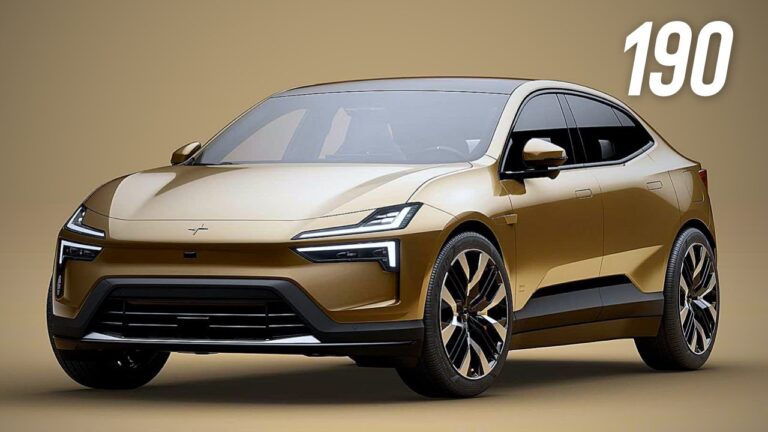
Introduction
Electric vehicles (EVs) have rapidly gained traction in recent years. As the world shifts towards more sustainable energy solutions, EVs represent a significant shift in the automotive industry. The increasing concern over climate change, high fuel prices, and technological advancements have made EVs not only a viable option but also a popular choice among consumers.
Current Market Trends
Sales data reveals an impressive surge in the adoption of electric vehicles. According to the International Energy Agency (IEA), global sales of electric cars reached a record 10 million units in 2022, marking a 55% increase from the previous year. Many major automotive manufacturers, including Tesla, Ford, and Volkswagen, have committed to investing heavily in electric vehicle technology and infrastructure.
Furthermore, government incentives play a crucial role in the proliferation of EVs. Numerous countries, including the UK, offer grants and rebates for EV purchases, alongside investments in charging infrastructure. The British government has launched initiatives aiming to phase out petrol and diesel cars by 2030, setting ambitious targets to reduce carbon emissions.
Challenges Facing the Industry
Despite the positive outlook, the EV sector is not without its challenges. One significant barrier is the availability of charging infrastructure. Although the number of charging points is increasing, experts argue that more needs to be done to ensure accessibility, particularly in rural areas. Additionally, concerns about battery production and disposal have raised questions regarding the environmental impact of EV manufacturing.
Future Projections
Looking ahead, analysts predict that electric vehicles will continue to dominate the automotive market as technology improves and costs decrease. By 2030, it is estimated that EVs could account for 30% to 50% of new car sales, depending on government policies and consumer demand. The shift towards electric mobility also presents opportunities for innovation, including advancements in battery technology, autonomous driving, and smart transportation solutions.
Conclusion
The rise of electric vehicles signifies a pivotal change in transportation, driven by advancements in technology, consumer demand, and government initiatives aimed at promoting sustainability. As electric vehicles continue to pave the way for a cleaner future, it is crucial for stakeholders to address current challenges and invest in the necessary infrastructure. The transition to electric mobility not only promises to reshape the automotive landscape but also plays an essential role in combating climate change and reducing our carbon footprint.