Introduction
Luis Enrique, the former Spanish footballer turned successful manager, has recently captured attention in the football world due to his tactical acumen and impressive track record. As the current head coach of the Spanish national team, his strategies and leadership style are vital topics in sports discussions, especially as Spain prepares for upcoming international competitions.
Career Overview
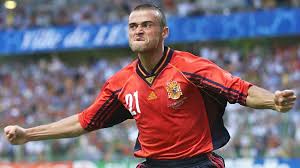
Born on May 8, 1970, in Gijón, Spain, Luis Enrique began his professional career as a midfielder, notably playing for Real Sociedad and FC Barcelona. After his retirement in 2004, he transitioned into coaching, eventually leading Barcelona B and earning pivotal experience in management.
His big break came in 2014 when he was appointed as the head coach of FC Barcelona. During his tenure, from 2014 to 2017, he led the team to remarkable success, including winning the treble in his first season, which consisted of the UEFA Champions League, La Liga, and Copa del Rey. This period solidified his reputation as one of the top managers in football.
Coaching the National Team
After a successful club career, Enrique took on the mantle of the Spanish national team coach in 2019. His approach is rooted in a blend of attacking football and solid defensive strategies, aiming to restore Spain’s status as a football superpower following a less successful period. Under his management, the team has shown significant improvement, showcasing a new generation of talents in high-stakes matches.
Enrique’s reliance on young players has sparked discussions about the future of Spanish football, as he has integrated talents like Pedri and Gavi into the first team, which reflects a commitment to developing homegrown skills and maintaining competitiveness on an international stage.
Recent Developments
Most recently, Luis Enrique guided Spain to the semi-finals of Euro 2020 (held in 2021 due to the pandemic), which further highlighted his ability to manage under pressure. His tactical changes in crucial moments of the matches drew praise from fans and analysts alike, showcasing his readiness to adapt and innovate.
Conclusion
As Luis Enrique continues to lead the Spanish national team, his influence in football management remains substantial. His commitment to success, tactical expertise, and focus on youth development not only inspire his players but also set a promising tone for Spain’s future in international football. Observers suggest that with the right blend of experience and youthful exuberance, Spain could be a formidable contender in upcoming tournaments, possibly returning to the pinnacle of world football.