Introduction
The River Ouse, a prominent waterway in the UK, stretches approximately 143 miles from its source in the Yorkshire Dales to its mouth at the Humber Estuary. Its importance transcends geographic boundaries, playing a crucial role in the ecological, economic, and recreational fabric of the regions it traverses. This article delves into the river’s historical significance, environmental impacts, and the ongoing conservation efforts that aim to protect this vital resource.
Historical Significance
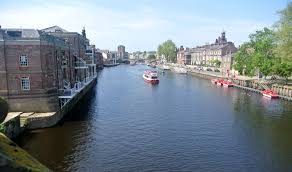
The River Ouse has a rich history intertwined with the development of trade and transport in northern England. Historically, it served as a vital trade route, allowing goods to be transported between the Yorkshire interior and coastal ports. Particularly notable is the town of York, once a Roman settlement and now a major cultural hub, situated along its banks. The river also played an influential role during the Viking settlements, presenting opportunities for trade expansion, and notably, it was used during the English Civil War for troop movements.
Ecological Importance
The River Ouse hosts diverse ecosystems, supporting various wildlife species including otters, kingfishers, and migratory fish such as salmon and eel. The diverse habitats along the riverbanks are crucial for maintaining biodiversity in the region. Recently, habitat loss and pollution have posed significant threats to these ecosystems, prompting a focus on sustainable practices to ensure the river’s health. Groups such as the River Ouse Association have been instrumental in monitoring water quality and championing conservation efforts.
Recreational Opportunities
Beyond its historical and ecological significance, the River Ouse is a hotspot for recreational activities. Canoeing, fishing, and walking along the scenic trails are popular pursuits for locals and visitors alike. The annual Ouse Festival celebrates the various ways people engage with the river through art, music, and outdoor activities, fostering community spirit and awareness of environmental issues.
Conclusion
As the River Ouse continues to flow through its historical landscapes, it remains a vital resource for the communities along its banks. Awareness and conservation measures are essential to ensure that this river can sustain its ecological health while supporting recreational and economic activities. Future initiatives may focus on enhancing water quality and restoring habitats, which could yield significant benefits for wildlife and local residents. Engaging with the River Ouse is not merely a pastime; it is a connection to a shared heritage and an opportunity to participate in preserving an invaluable natural resource for generations to come.