Introduction
The National Aeronautics and Space Administration (NASA) has been at the forefront of space exploration since its establishment in 1958. As a globally recognised agency, NASA has played a pivotal role in both advancing our understanding of space and inspiring generations to look toward the stars. Its recent missions, developments, and partnerships continue to underscore its importance in the global landscape of science and technology.
Recent Developments
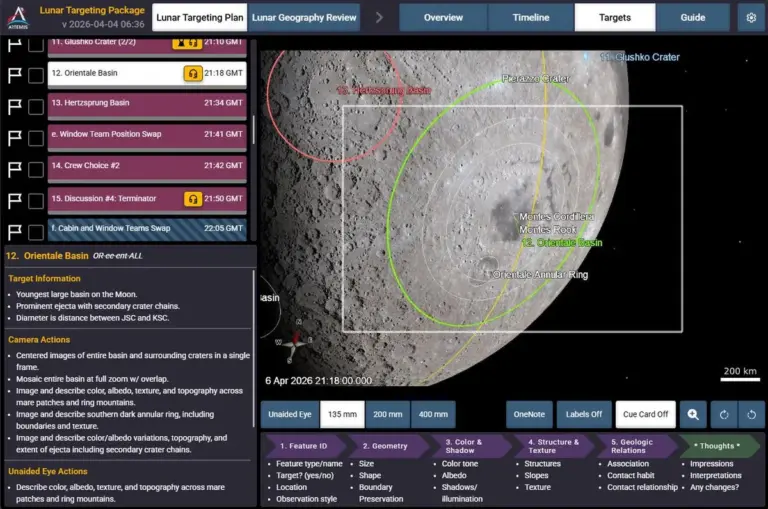
In recent months, NASA has made headlines with its ambitious Artemis program, aimed at returning humans to the Moon by 2024. This initiative not only seeks to land the first woman and the next man on lunar soil but also aims to establish a sustainable human presence there by the end of the decade. The Artemis I mission, which successfully launched an uncrewed Orion spacecraft on its journey around the Moon, served as a critical test for the agency’s deep-space ambitions.
Additionally, NASA’s Perseverance rover, which landed on Mars in February 2021, is conducting groundbreaking work in searching for signs of ancient microbial life and collecting samples that will eventually be returned to Earth. The rover’s advanced technology, including the Ingenuity drone, showcases NASA’s commitment to innovation and adaptation in the ever-evolving field of space exploration.
International Collaboration
Navigating the complexities of space exploration often requires international cooperation, and NASA is no stranger to such partnerships. The agency collaborates with international space agencies like ESA (European Space Agency), JAXA (Japan Aerospace Exploration Agency), and Roscosmos (Russian Federal Space Agency) to achieve shared goals in exploration and science. For instance, NASA’s collaboration on the International Space Station (ISS) has allowed for significant breakthroughs in understanding human health in microgravity.
Looking Ahead
Looking to the future, NASA has outlined its plans to explore asteroids, the Moon, and potentially Mars. The agency’s long-term goals include establishing a human presence on Mars by the 2030s, carrying out scientific missions to study asteroids, and pursuing the search for habitable worlds beyond our solar system. By focusing on advancing scientific research and fostering innovation, NASA continues to be a beacon of hope and discovery in human history.
Conclusion
NASA’s contributions to space exploration are crucial not only for scientific advancement but also for inspiring curiosity and imagination worldwide. As they embark on new projects and continue to push the boundaries of what’s possible, the future of space exploration looks promising. Stay informed on NASA’s latest developments; their journey is one that all of humanity watches with bated breath, united in the wonder of the cosmos.