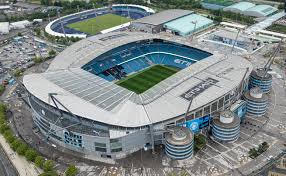
Introduction to Puskás Aréna
Puskás Aréna, located in Budapest, Hungary, is a state-of-the-art football stadium that was inaugurated in 2019. It serves as the home for the Hungarian national football team and is named after the legendary Hungarian football player Ferenc Puskás. With a capacity of approximately 67,000 seats, the stadium plays a significant role in hosting both sporting events and cultural activities, marking its importance not only for Hungarian football but also for European sports.
Events and Features
The Puskás Aréna is not just a modern sporting venue; it is a symbol of national pride. The stadium hosted its first international match on 15 November 2019, when Hungary faced Uruguay. Since then, it has been a hub for various events, including UEFA Euro 2020 matches. As one of the main venues for the tournament, the stadium was pivotal in showcasing Hungary’s hospitality and sporting spirit on a larger European stage.
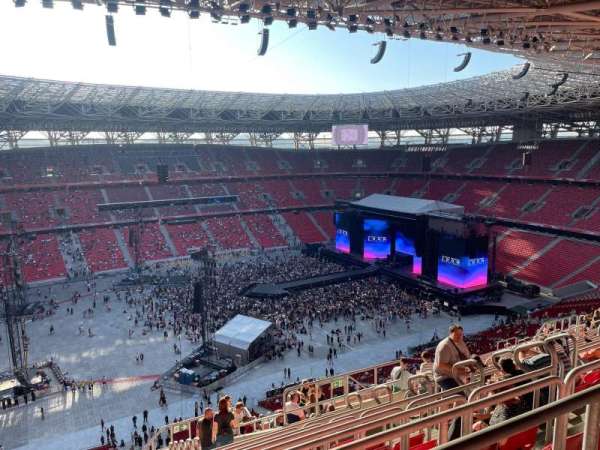
In addition to its footballing duties, Puskás Aréna is designed to host concerts and other entertainment events, making it a multifaceted venue that attracts various audiences. With cutting-edge technology, including advanced sound and lighting systems, it offers an exceptional experience for spectators.
Architectural and Cultural Significance
The architectural design of Puskás Aréna stands out, combining modern aesthetics with traditional Hungarian elements. Its construction cost around €200 million and was part of a broader investment in sports infrastructure in Hungary. The stadium is not only an athletic venue but also a cultural emblem, motivating younger generations to appreciate sports and participate actively in physical activities.
Conclusion: Future Impacts of Puskás Aréna
The Puskás Aréna represents a new era for Hungarian sports, promising to enhance the country’s image in the international sporting community. As Hungary continues to host various high-profile sporting events, the stadium is expected to play a pivotal role in promoting tourism and fostering national pride.
In conclusion, Puskás Aréna is set to be more than just a football stadium; it is a landmark of cultural and sporting significance that reflects Hungary’s rich history and future aspirations. With continued investments and interest in hosting global events, Puskás Aréna will likely remain at the forefront of sports in Hungary for years to come.