Introduction
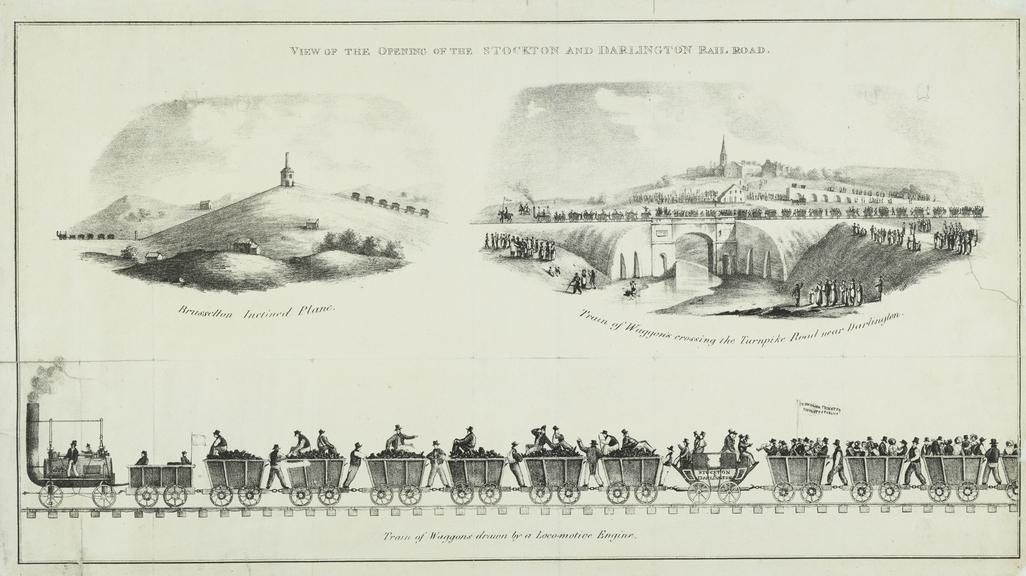
The Stockton and Darlington Railway, inaugurated in 1825, holds a pivotal place in transportation history as the world’s first public railway to use steam locomotives. Its significance lies not only in its groundbreaking use of technology but also in how it revolutionised the transport of goods and passengers during the Industrial Revolution in Britain. Commemorating this achievement, several events are planned ahead of its 200th anniversary, underscoring its long-lasting impact on the railway industry.
Historical Overview
Constructed primarily for the transport of coal from mines near Shildon, County Durham, to the port of Stockton-on-Tees, the railway’s inception laid essential groundwork for modern rail systems. The vision of local landowners and industrialists, including George Stephenson, who designed the locomotive ‘Locomotion No.1,’ turned this project into a success story of the era. The railway flourished, with routes extending 26 miles, symbolising the triumph of engineering and collaboration.
Modern Significance
As plans for the bicentennial celebrations are unveiled, the historical and cultural importance of the Stockton and Darlington Railway is being reaffirmed. The railway’s influence is reflected in the development of railway engineering and urbanisation in England and across the world. Events such as guided tours, talks, and reenactments will be organised to educate the public about its role in shaping modern transport.
Future Prospects
In the present day, the Stockton and Darlington Railway serves not only as a testament to the past but also as a model for sustainable travel initiatives. The railway has sparked discussions on how regional heritage can integrate with modern transport solutions. Initiatives focused on creating green transport links echo the need for a balanced approach to progress, ensuring that advancements in technology do not overshadow environmental considerations.
Conclusion
The Stockton and Darlington Railway’s lasting legacy is a reminder of how innovation in transportation has fundamentally altered society. As celebrations for its bicentennial approach, it provides an opportunity to reflect on the evolution of railways and their continued importance to the modern world, encouraging a renewed focus on sustainable practices. As we look ahead, the railway stands as a symbol of progress, community, and the promise of future advancements in transport.