Introduction
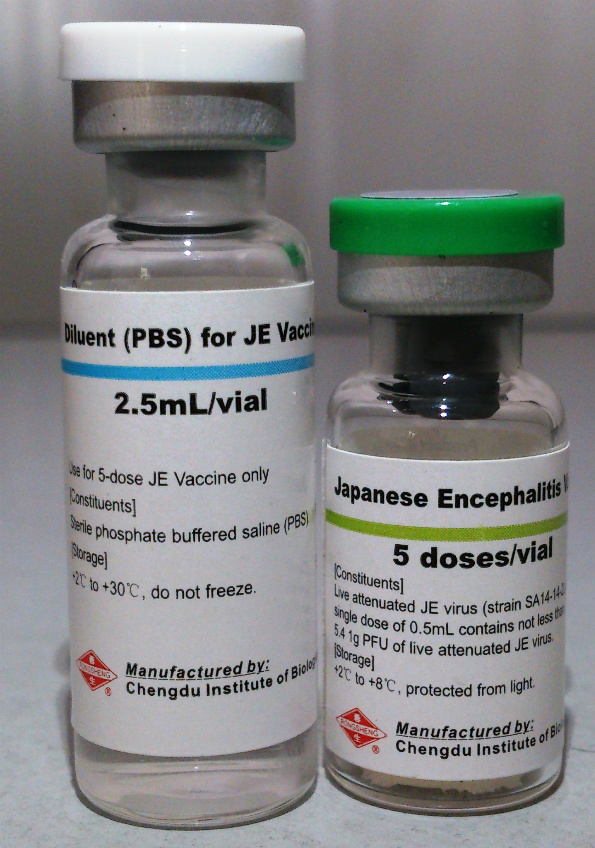
Vaccines play a crucial role in public health, providing immunity against a variety of diseases. In recent years, the global focus on vaccines has intensified due to the COVID-19 pandemic, highlighting their importance in controlling outbreaks and protecting communities. This article examines the current landscape of vaccines, recent developments, and future trends that may shape the health of societies worldwide.
Recent Developments in Vaccine Technology
Recent advancements in vaccine technology have led to innovative approaches in the development and deployment of vaccines. mRNA vaccines, which were rapidly developed and deployed in response to the COVID-19 pandemic, have paved the way for new research. Companies like Pfizer-BioNTech and Moderna demonstrated the efficacy of mRNA technology, which is now being explored for other diseases, including influenza and Zika virus.
Beyond mRNA, researchers are also investigating alternative methods, such as protein subunit vaccines and viral vector vaccines. The ongoing global vaccination campaigns have provided valuable data that will inform future vaccine development across a wider range of infectious diseases.
Global Vaccination Efforts
The World Health Organization (WHO) report highlights the importance of equitable vaccine distribution, particularly in low- and middle-income countries. Initiatives such as COVAX aim to provide access to COVID-19 vaccines for all countries, ensuring that even the most vulnerable populations can be immunised. As of late 2023, over 13 billion vaccine doses have been administered globally, significantly reducing hospitalisation rates and deaths due to COVID-19.
However, challenges remain, including vaccine hesitancy, misinformation, and logistical barriers in vaccine distribution. Health organisations are intensifying efforts to combat these issues by launching educational campaigns and rewarding vaccination compliance.
Conclusion: The Importance of Vaccination
As we look to the future, the role of vaccines will likely expand beyond COVID-19. Continued research and investment in vaccine development are essential for addressing emerging diseases and potential pandemics. Public health initiatives will focus on increasing global vaccination rates, combating misinformation, and ensuring that vaccine advancements benefit everyone.
In conclusion, vaccines are a cornerstone of public health, protecting individuals and populations alike from infectious diseases. The ongoing evolution of vaccine technology presents exciting opportunities, paving the way for a healthier future. For readers, staying informed about vaccines and participating in vaccination efforts is crucial in safeguarding public health worldwide.