Introduction
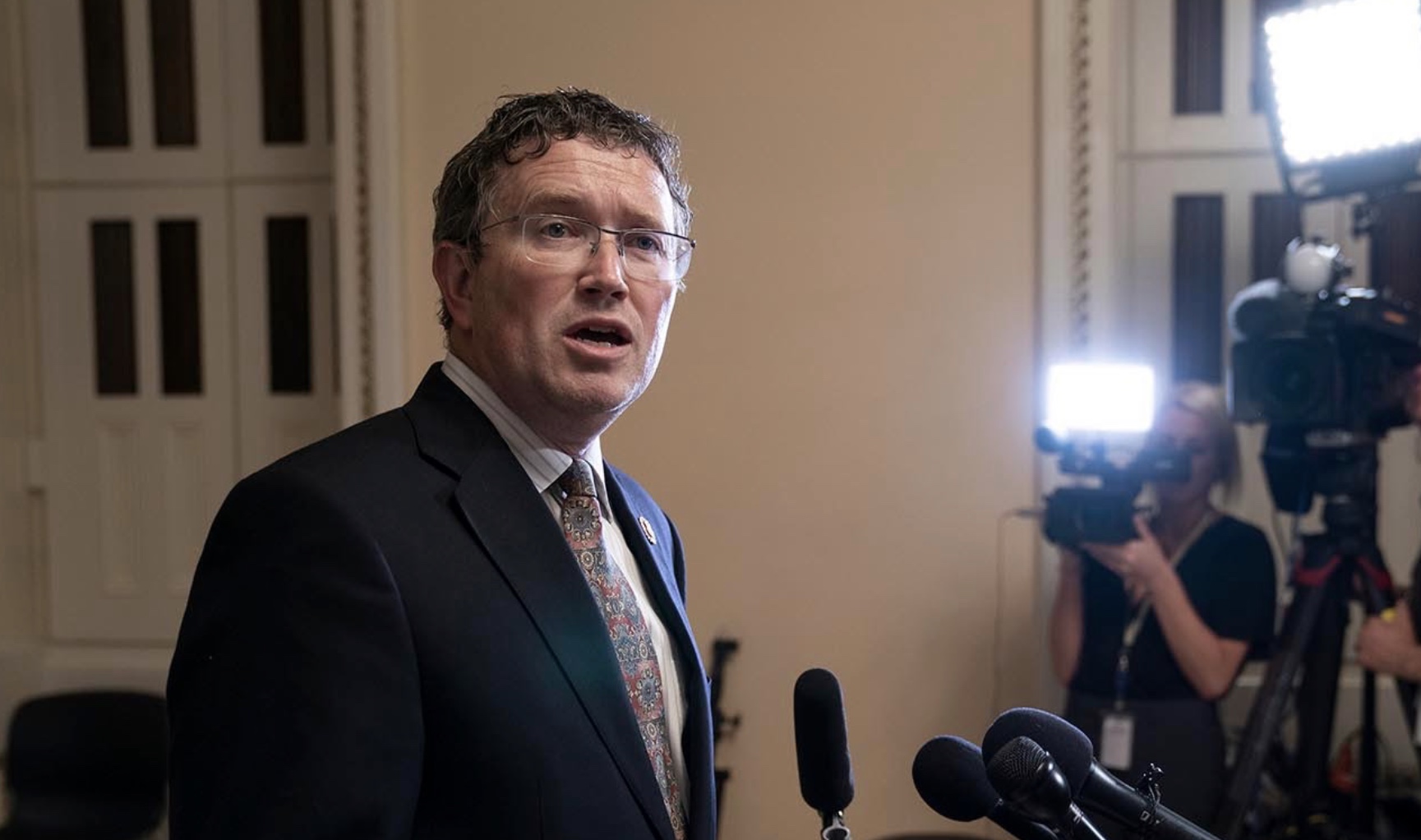
Thomas Massie, a Republican representative from Kentucky, has garnered attention in recent years for his unconventional approach and principled stances. As part of a polarized political climate, Massie’s positions often spark debate, making him a key figure in understanding contemporary U.S. politics. His libertarian ideals and commitment to limited government resonate with a significant portion of the electorate, influencing discussions on transparency, fiscal responsibility, and individual liberties.
Political Background
First elected to Congress in 2012, Thomas Massie has built a reputation as a staunch advocate for constitutional governance. He is known for his strict adherence to the Constitution, frequently pushing back against what he perceives as government overreach. An MIT graduate and former engineer, Massie brings a data-driven analytical style to his legislative efforts, often focusing on issues such as privacy rights, technology, and civil liberties.
Recent Initiatives
In the 118th Congress, Massie has been vocal about his stance on various key issues, including the ongoing debates over government surveillance, fiscal policy, and Second Amendment rights. He has introduced legislation that aims to put limitations on federal authority regarding personal data and has opposed extensive spending bills as part of his commitment to reducing the national debt. His recent initiative, a proposal to end federal firearms regulations, highlights his focus on personal freedom while stirring controversy among his peers.
Public Reception and Controversies
Massie’s approach to governance has attracted both praise and criticism. Supporters admire his unwavering commitment to individual rights and skepticism of federal power, which they see as a refreshing departure from mainstream politics. Conversely, detractors criticize him for his rejection of certain bipartisan initiatives, arguing that his extreme positions can obstruct progress on crucial issues. Notably, his actions during the COVID-19 pandemic, including a well-publicized vote against a relief package, have drawn significant criticism from those who believe he prioritized ideology over urgent needs.
Conclusion
As he continues to navigate the complexities of American legislation, Thomas Massie’s influence in Congress is undeniable. His libertarian ideals resonate with a segment of voters who seek to challenge the status quo. As we look toward future elections and legislative sessions, Massie’s presence will likely continue to spark dialogue regarding the role of government and individual freedoms in America. His ongoing efforts and the responses they generate will be crucial as the nation addresses pivotal issues in the years to come.