Introduction
The arrest of British activist Tommy Robinson has reignited discussions around free speech, political activism, and law enforcement in the UK. A polarizing figure known for his outspoken views on Islam, Robinson’s legal troubles have attracted widespread attention, shedding light on the complexities of societal response to controversial figures. The significance of his arrest underscores the ongoing tensions surrounding immigration, national identity, and the balance between security and civil liberties.
Details of the Arrest
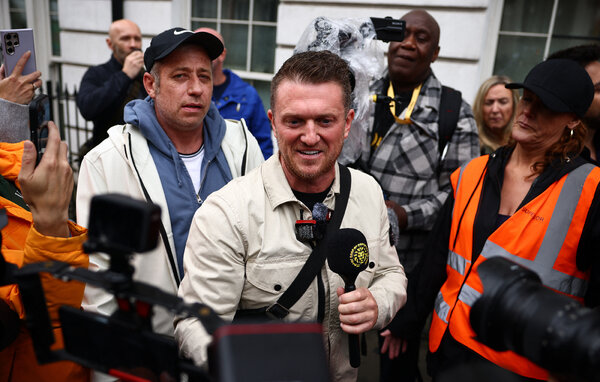
On October 20, 2023, Tommy Robinson was taken into custody by police in London during a demonstration against a proposed government policy on migration. Robinson, who has faced legal issues in the past related to contempt of court and public order offenses, was arrested on charges of inciting violence and failing to comply with police conditions during the protest. Eyewitness accounts describe a tense environment leading up to his arrest, with demonstrators clashing with police as Robinson delivered a speech. Following his arrest, video footage circulated on social media, leading to an outcry from his supporters who argue that he was targeted for his opinions.
Past Legal Issues
This recent incident is not Robinson’s first run-in with the law. In 2018, he was jailed for 13 months after live-streaming outside a trial involving a grooming gang, which raised serious legal dilemmas regarding reporting restrictions. His actions led to widespread debates about the extent of freedom of expression in a democratic society, particularly concerning sensitive topics such as racial and religious tensions.
Reactions and Implications
Following the arrest, various politicians and public figures have weighed in. Supporters of Robinson argue that his arrest is an attack on free speech, while critics contend that his rhetoric incites hatred and undermines social cohesion. The incident has sparked discussions about the role of authority in managing public demonstrations and the implications for future protests. Some legal experts have suggested that this arrest may lead to renewed scrutiny of laws regarding public gatherings and hate speech.
Conclusion
Tommy Robinson’s arrest has once again highlighted the complexities of navigating free speech and public order in contemporary Britain. As the situation develops, it is crucial for citizens, activists, and lawmakers to engage in constructive dialogue about the implications of such events. With tensions high and divided opinions, the ongoing fallout from Robinson’s arrest will likely influence future protests and shape the larger discourse about freedom of expression and its boundaries in the UK. The next few weeks will be critical as the public and media continue to analyse both the legal ramifications and the societal impact of this high-profile arrest.