Introduction
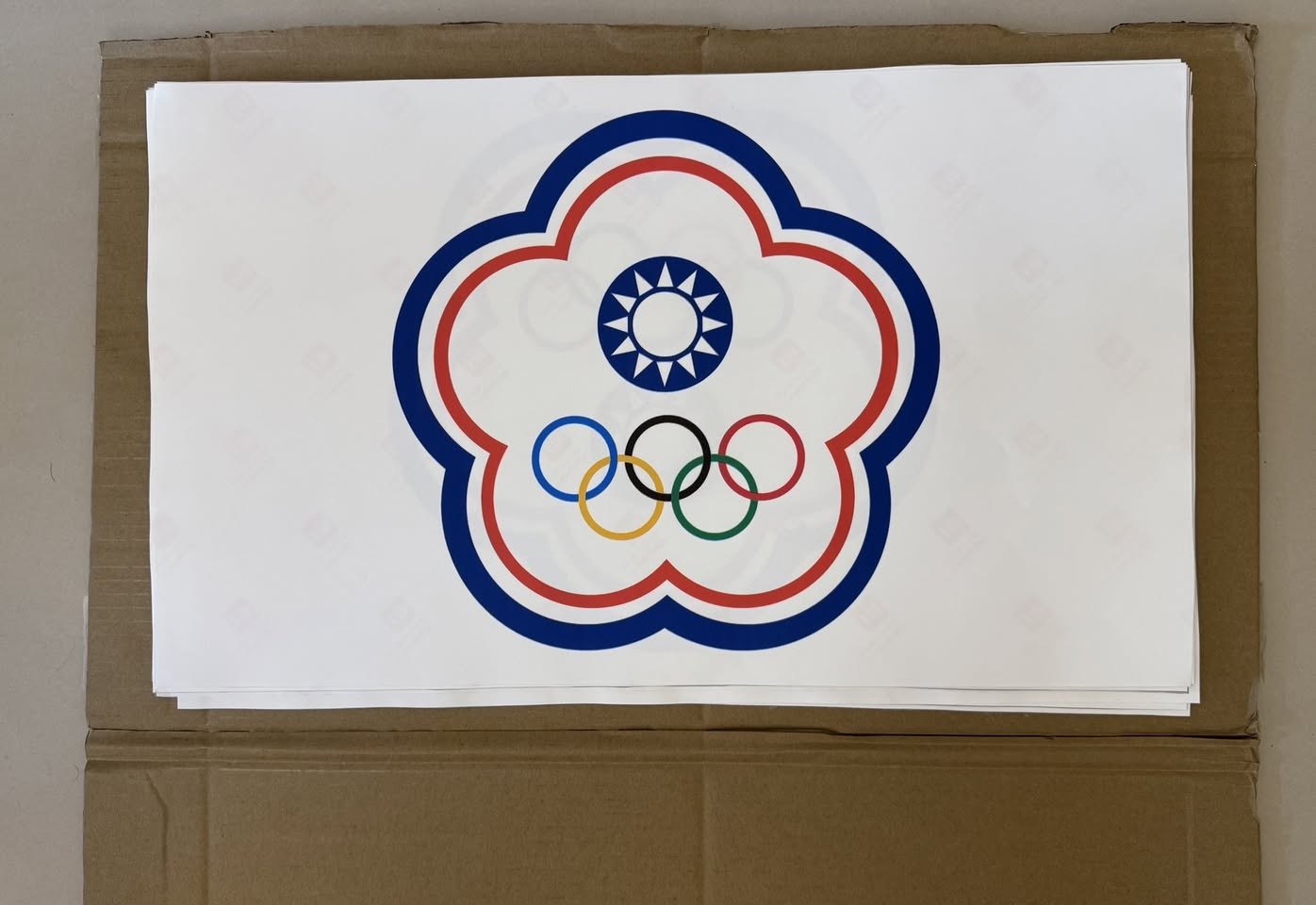
The term ‘TPE Country,’ often referred to as Taiwan, has garnered global attention due to its unique political status and economic significance. Located in East Asia, Taiwan operates as a self-governing entity but faces complex relations with mainland China, which views it as a breakaway province. Understanding the dynamics of TPE Country is crucial not just for geopolitical analysts but for anyone interested in global trade and international relations.
Recent Developments
In recent months, tensions between Taiwan and China have escalated, particularly in response to the United States’ continued support for Taiwan’s defense capabilities. In August 2023, U.S. lawmakers visited Taiwan, prompting a strong rebuke from Beijing, which conducted military drills around the island to demonstrate its opposition. This situation underscores the broader implications for U.S.-China relations and raises concerns over the possibility of increased military confrontation in the Taiwan Strait.
Economically, TPE Country remains a crucial player in global supply chains, particularly in the semiconductor industry. Taiwan Semiconductor Manufacturing Company (TSMC), the world’s largest contract chipmaker, continues to expand its operations, further solidifying Taiwan’s position in the tech sphere. The company announced plans for new manufacturing facilities in the United States, reflecting a push to diversify its production capabilities amid global supply chain disruptions.
International Support and Its Implications
Support for TPE Country from international allies, particularly the United States, has become a significant topic of debate. The Biden administration has reaffirmed its commitment to Taiwan’s defense without formally recognizing it as an independent nation. This ambiguous status has led to a push for more diplomatic relations with countries that recognize Taiwan, as seen in recent high-profile visits from foreign officials.
Furthermore, Taiwan’s participation in international organizations remains limited, primarily due to China’s pressure on nations to follow the ‘One China’ policy. However, support from allies has been growing, with calls for Taiwan’s inclusion in organizations like the World Health Organization (WHO) and the Comprehensive and Progressive Agreement for Trans-Pacific Partnership (CPTPP).
Conclusion
TPE Country stands at a critical crossroads, navigating its identity and international relations in a rapidly changing global landscape. As tensions with China remain high and economic interdependence grows, Taiwan’s fate will have significant implications for regional stability and international trade. Observers are closely monitoring developments to understand how TPE Country will continue to position itself amid these challenges, and whether it can leverage its strengths to secure its future in the face of mounting pressures.